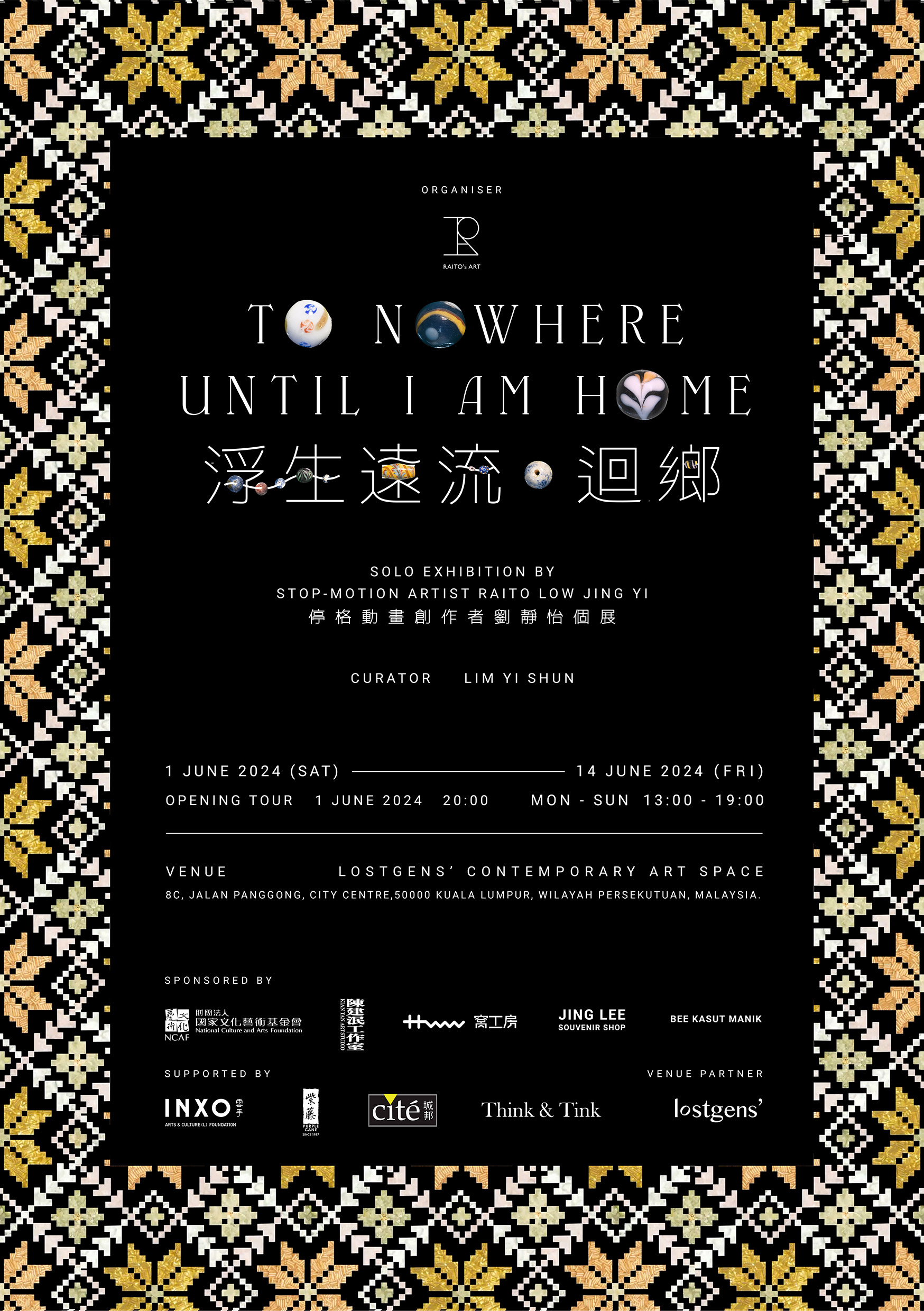
《浮生遠流 · 迴鄉》:劉靜怡個展
「我想重新認識感受。我來自的這個土地,
探索身分認同是真的在這裡嗎?還是在台灣?」
探索身分認同是真的在這裡嗎?還是在台灣?」
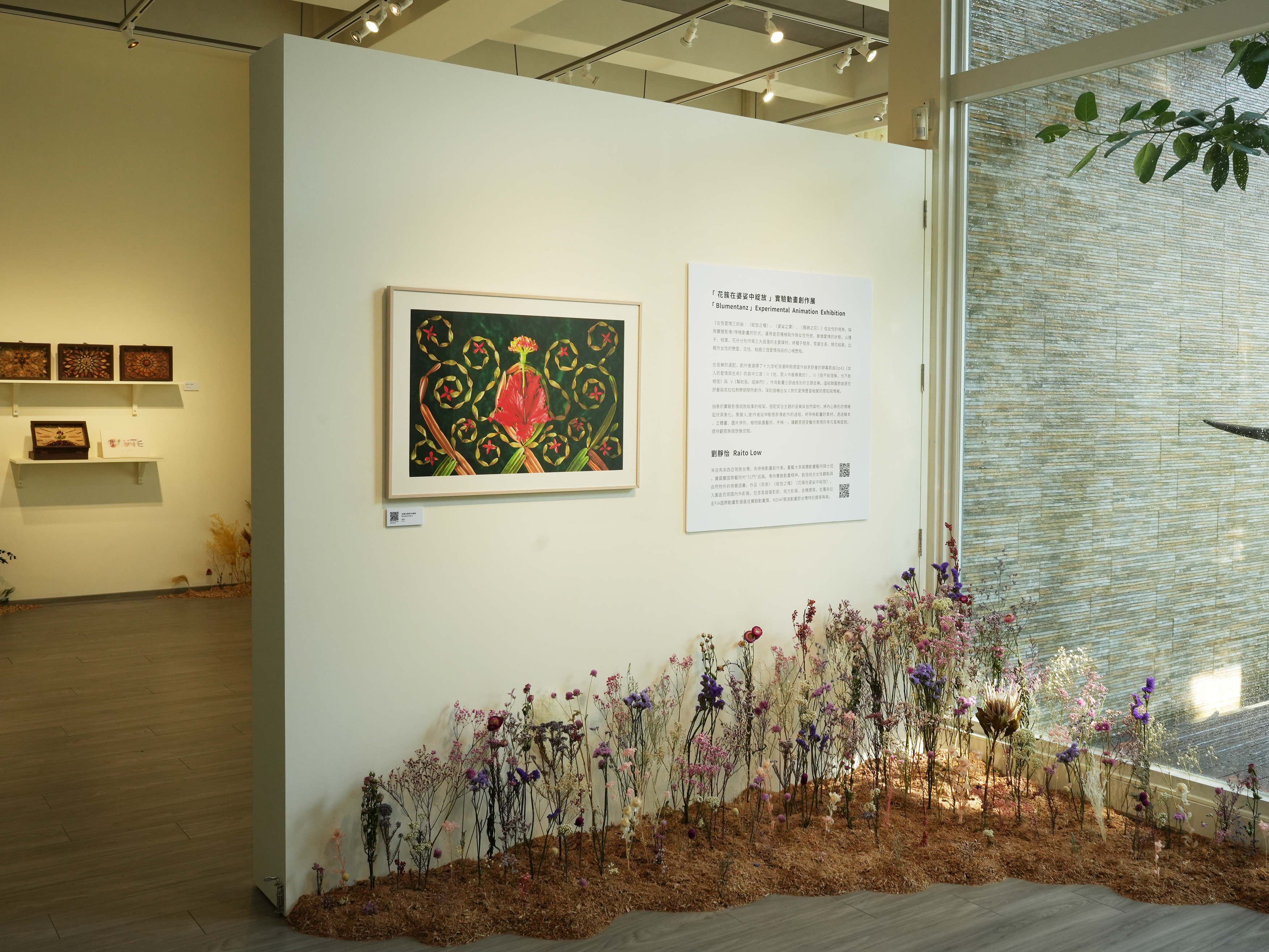
在台灣開始接觸創作已十年時間,內心開始產生許多疑問,今年回到家鄉展開三個月駐村計畫,從馬六甲、古晉到吉隆坡。下周會將駐村的所見所聞、與內心的想法,融合過往在台灣的作品,化為首次在馬來西亞的個展。
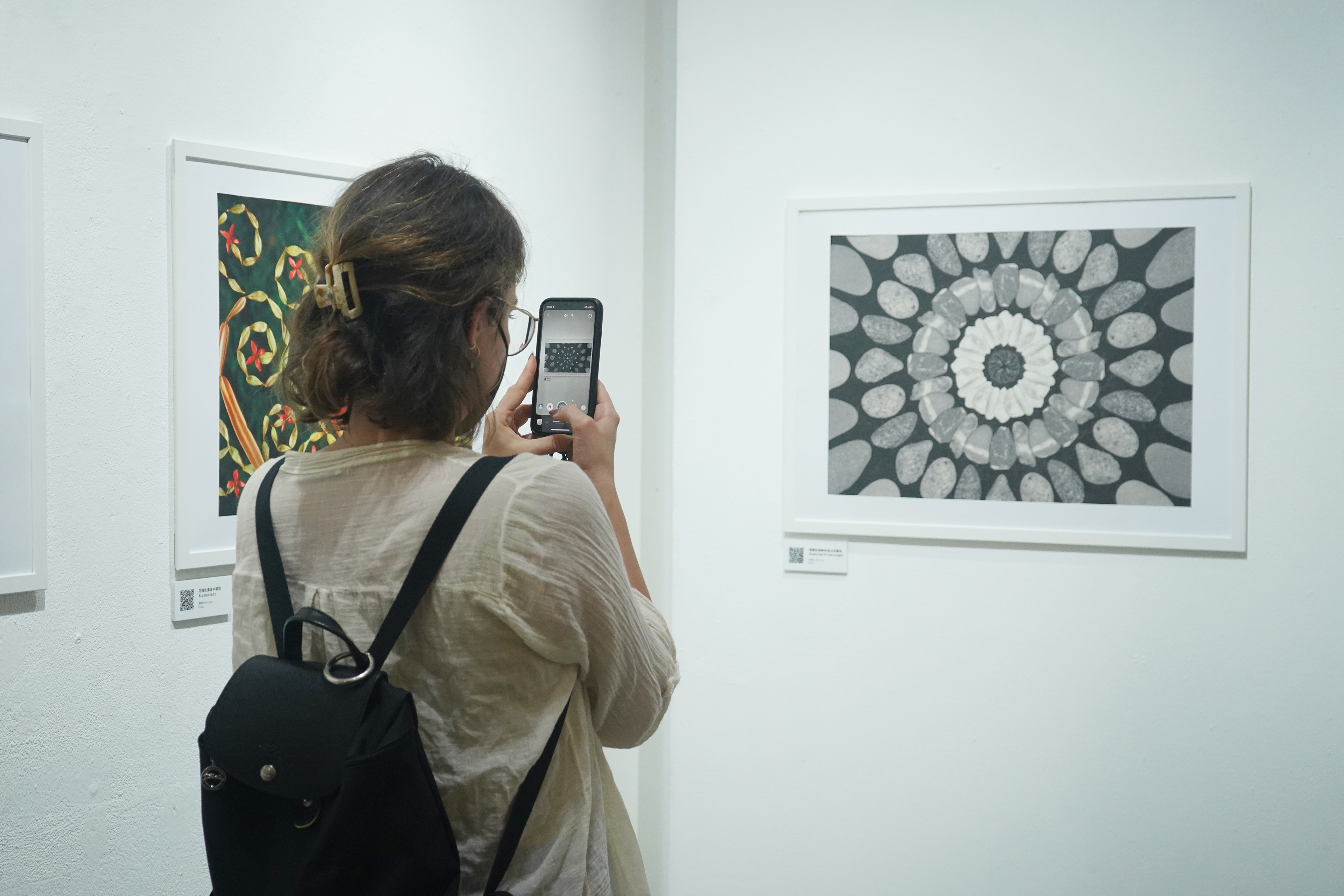
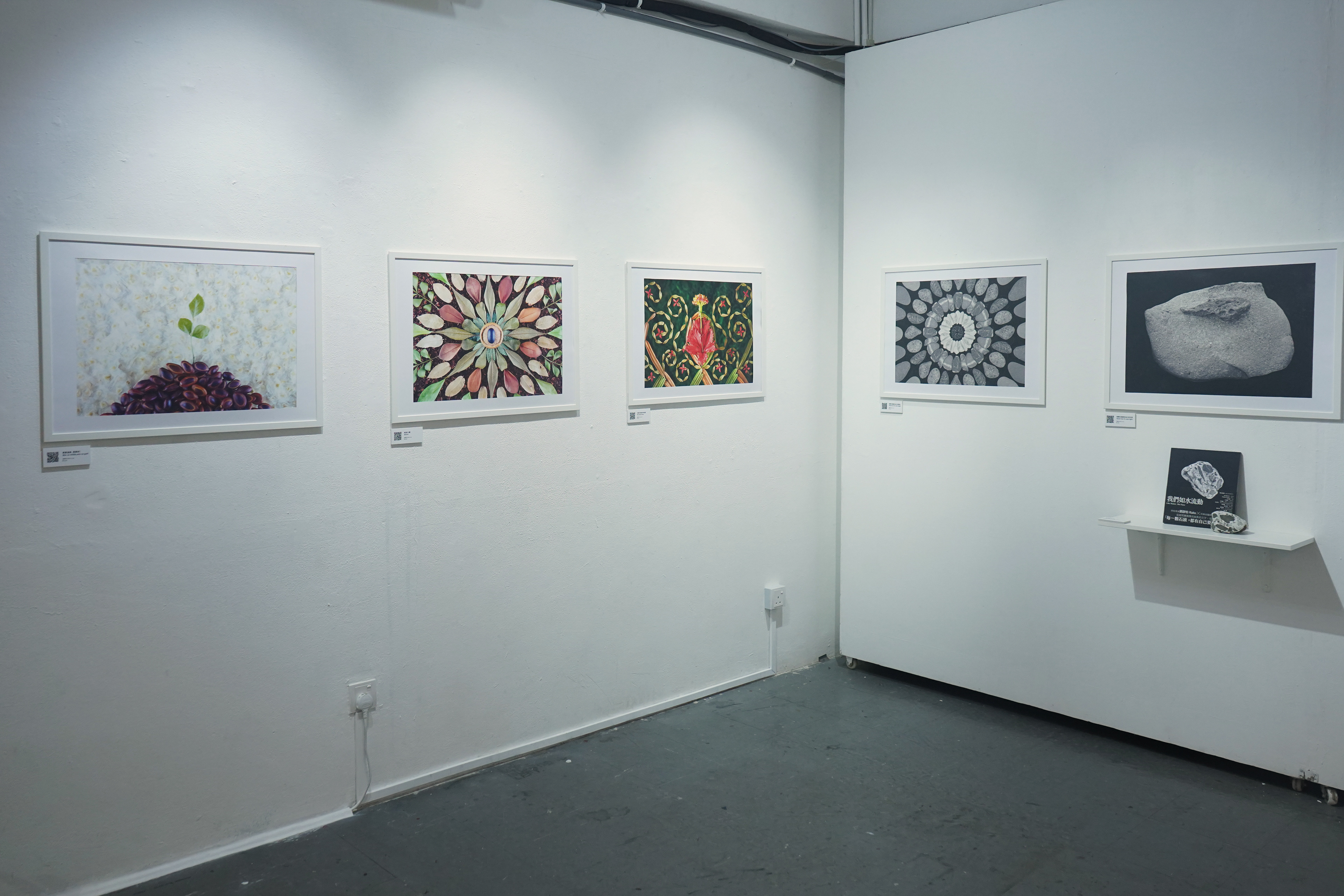
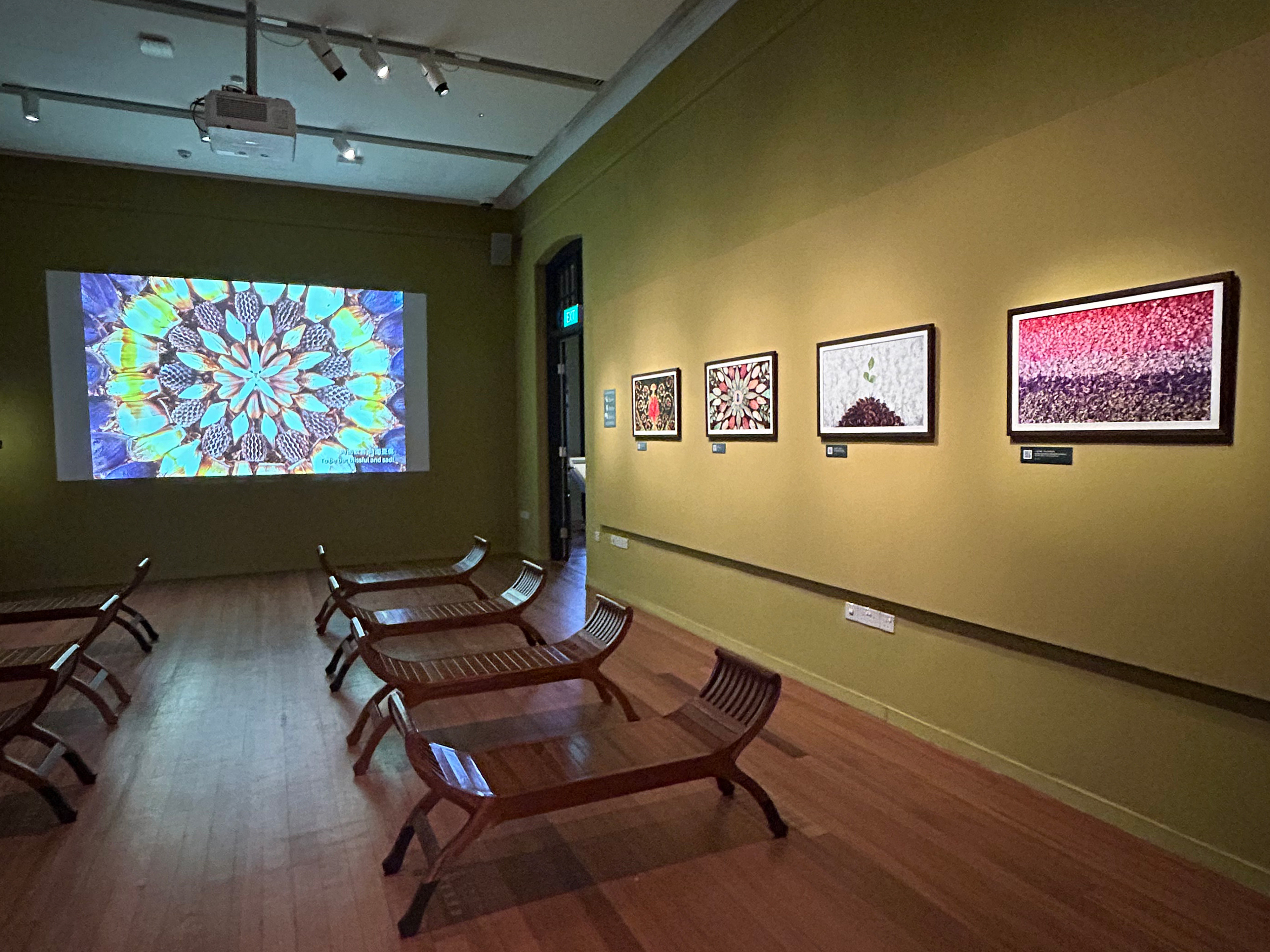
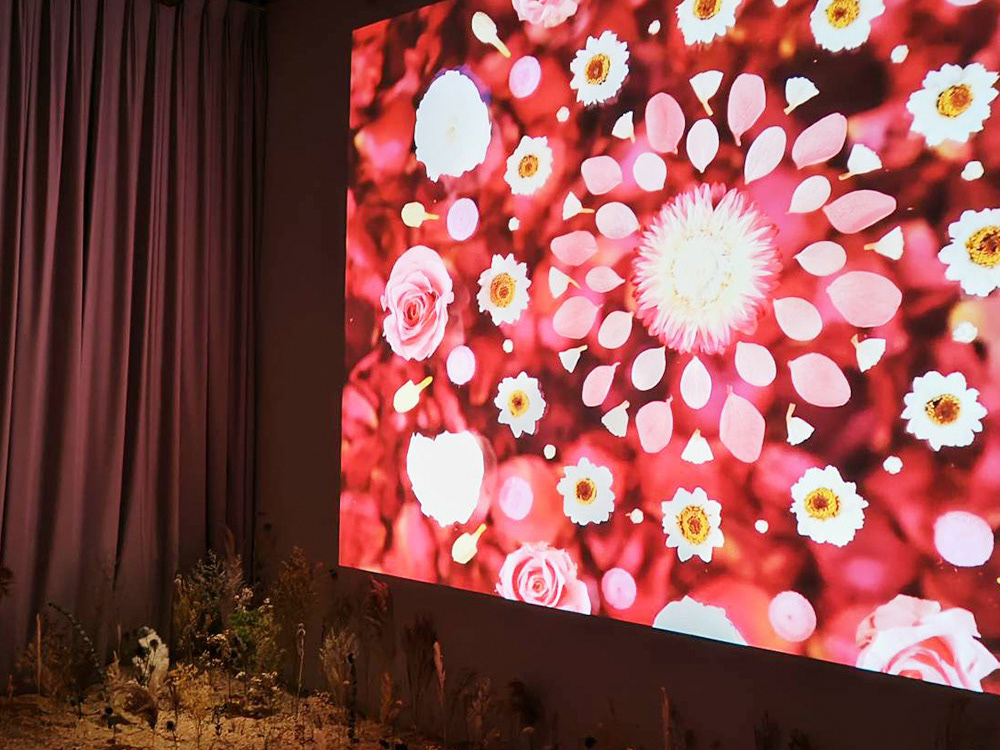
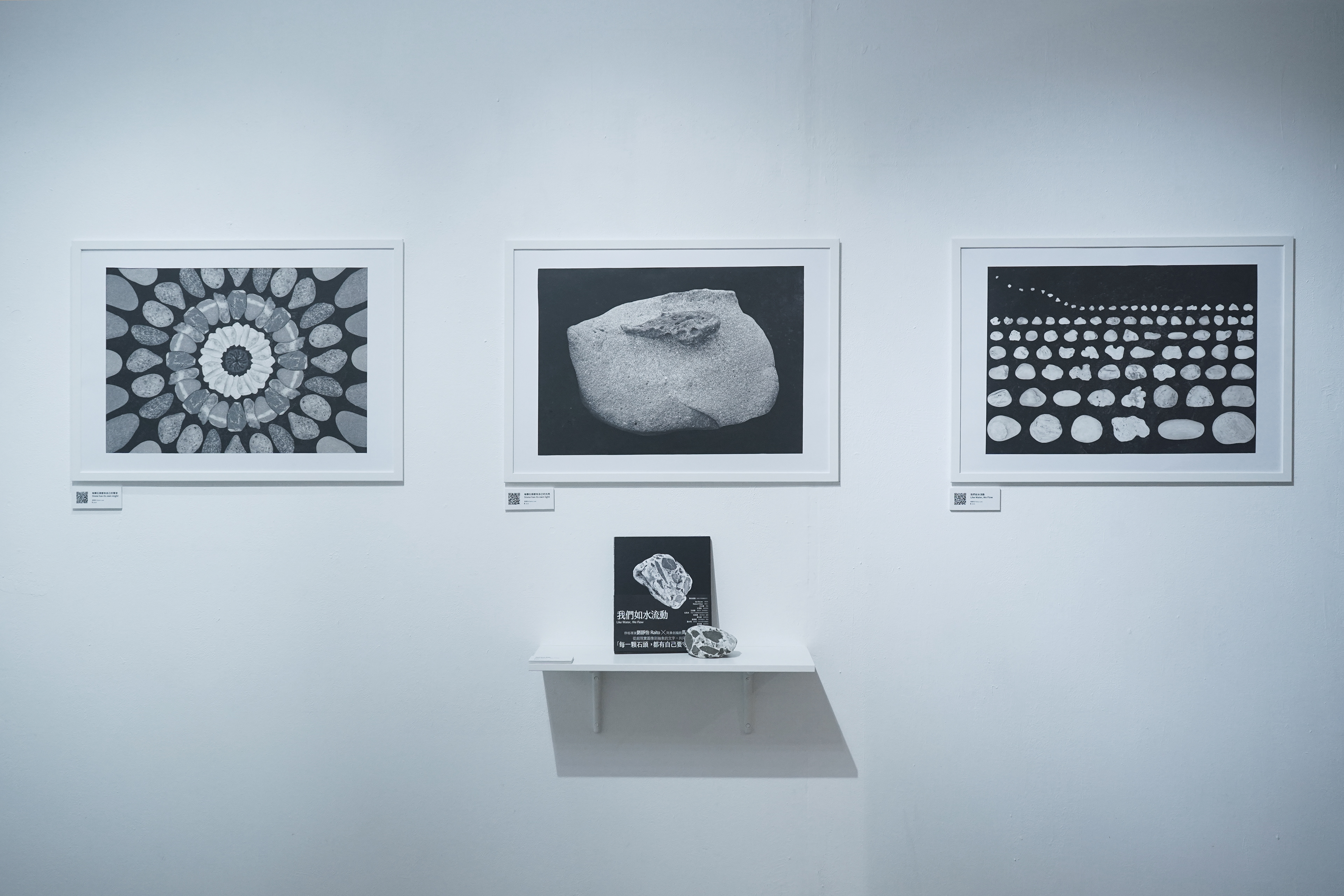
在台灣的創作,花朵、植物與石頭為主要表達媒介,藉由自然物體的多元性呈現了身分的多樣性。身份、認同、與土地的連結就是隨著知覺體驗不斷地變化而沒有框架。
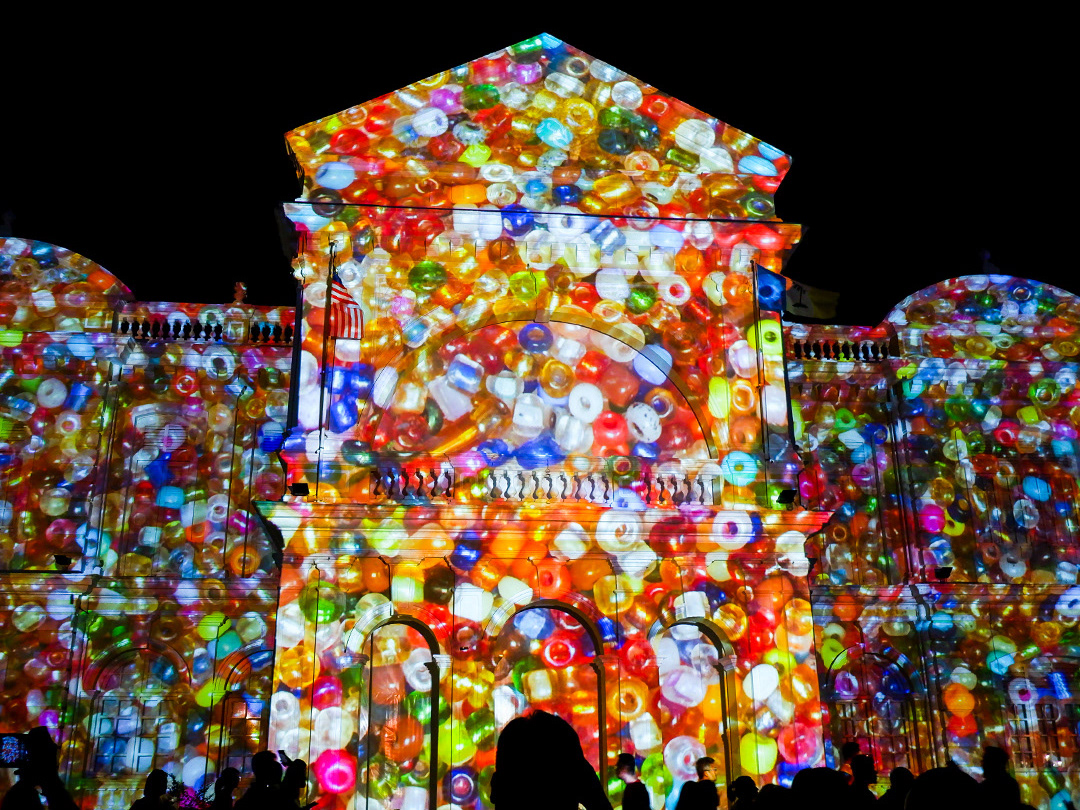
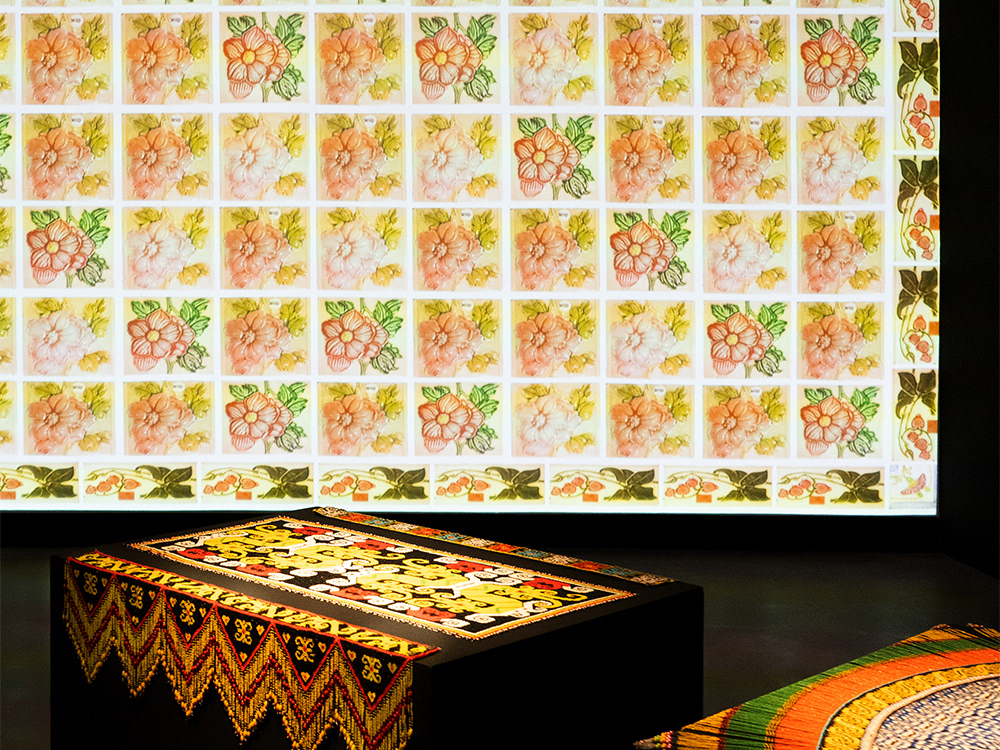
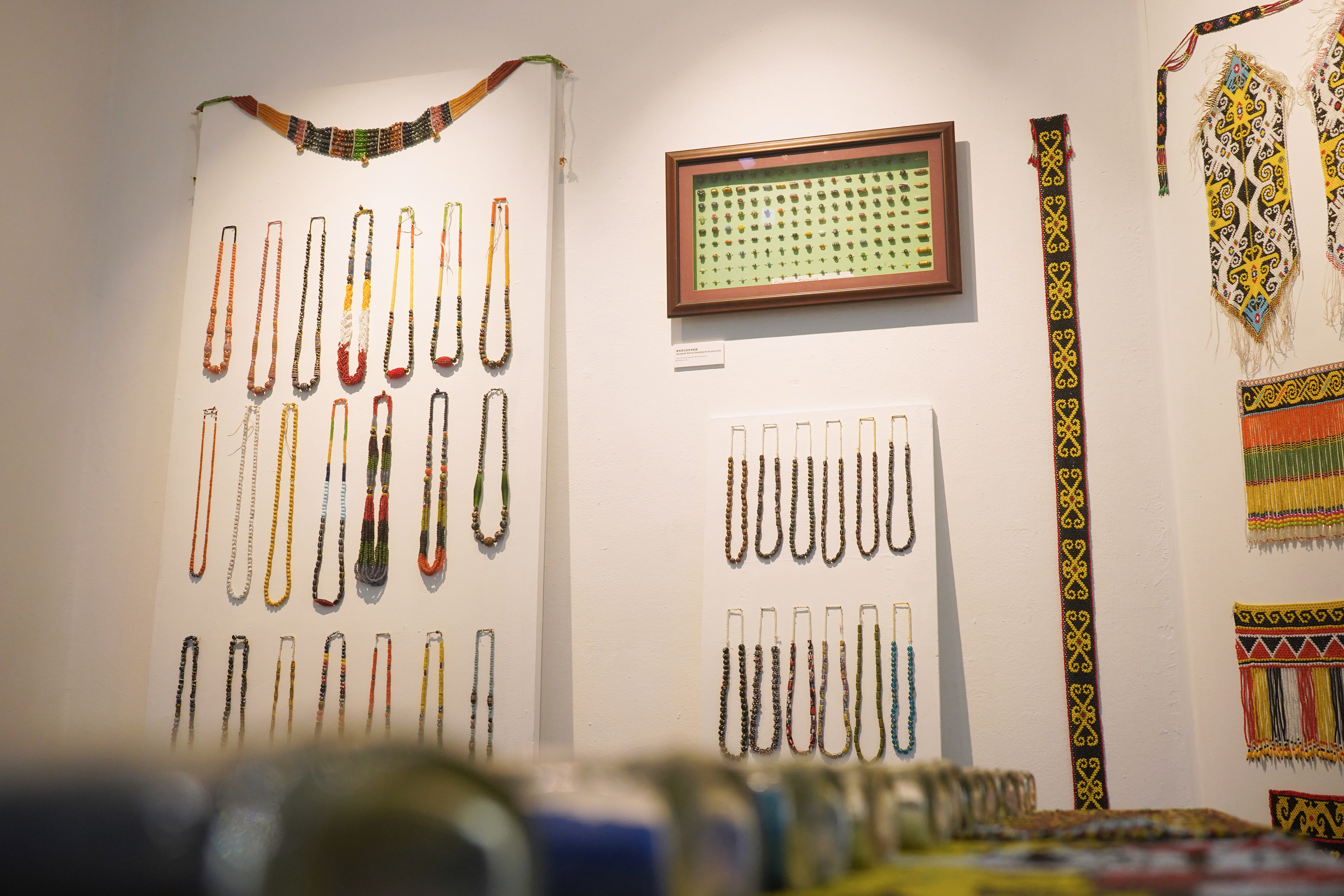
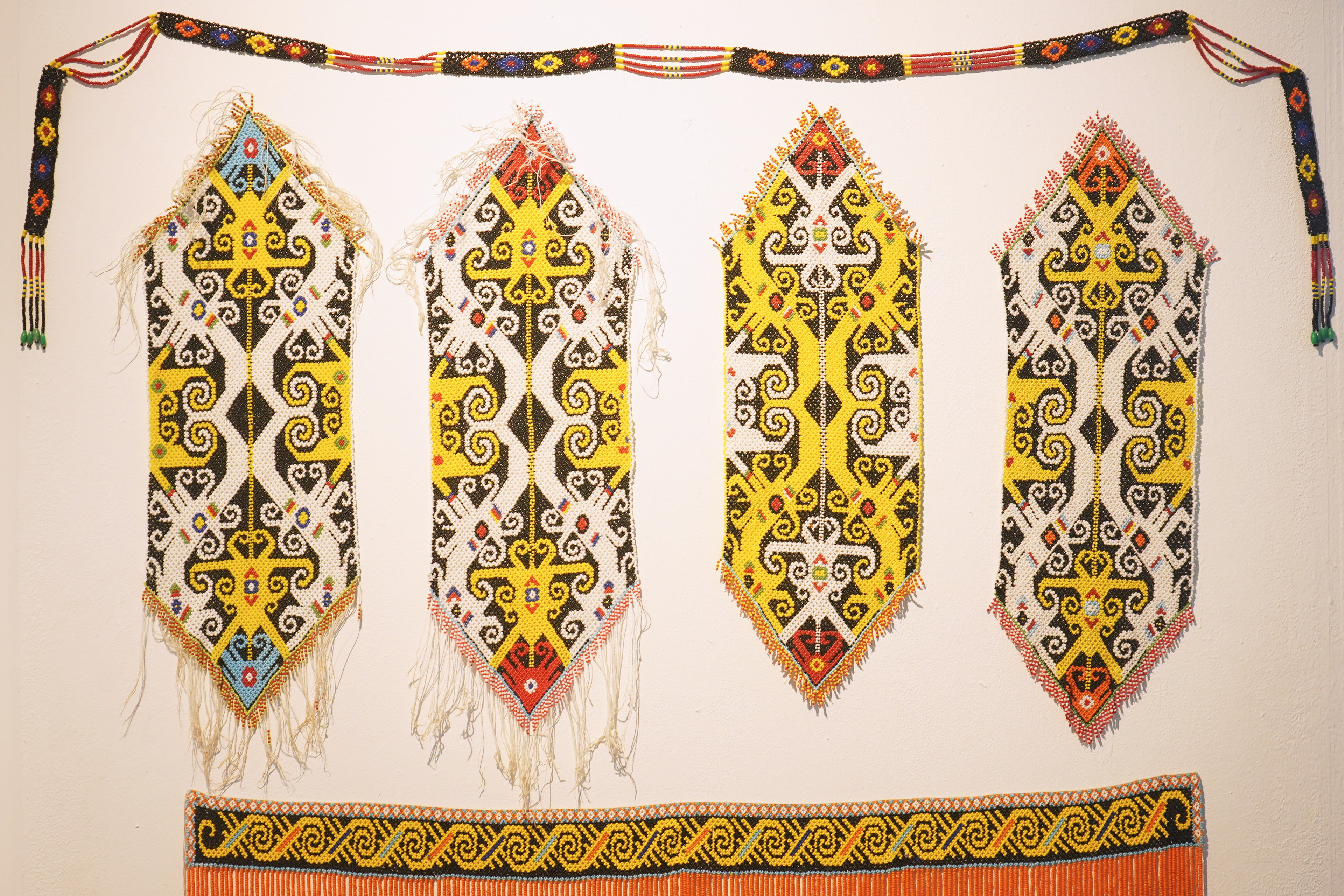
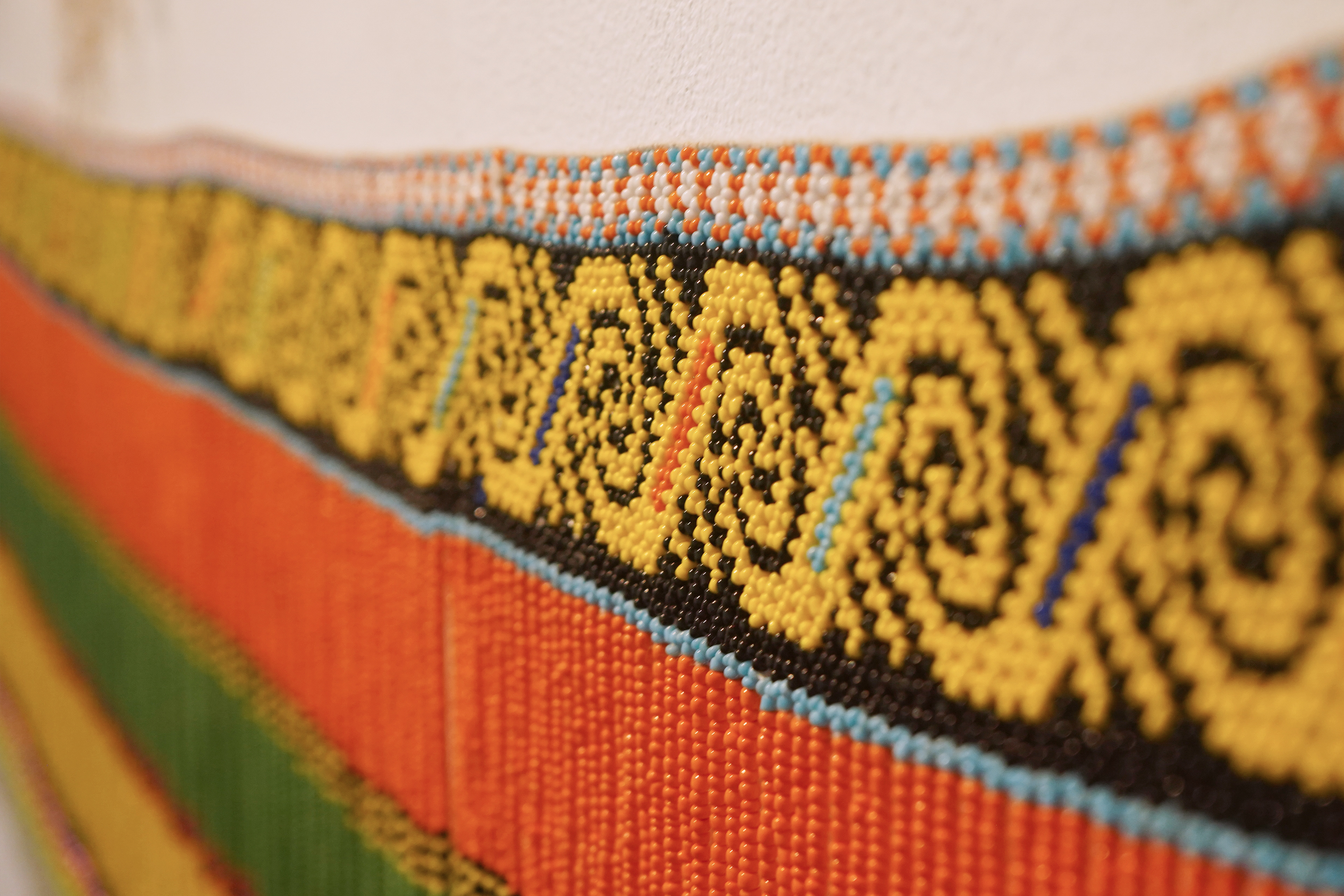
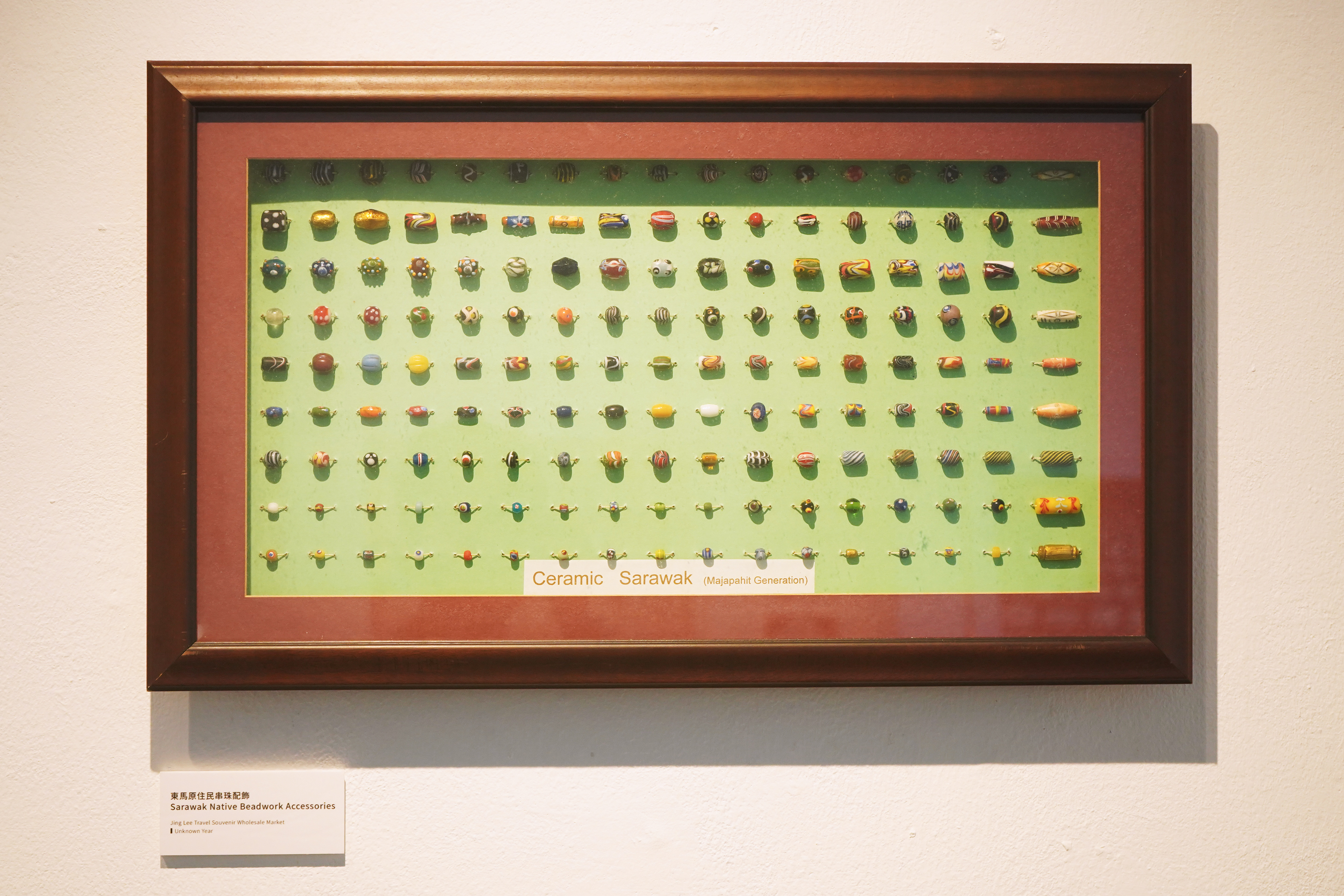
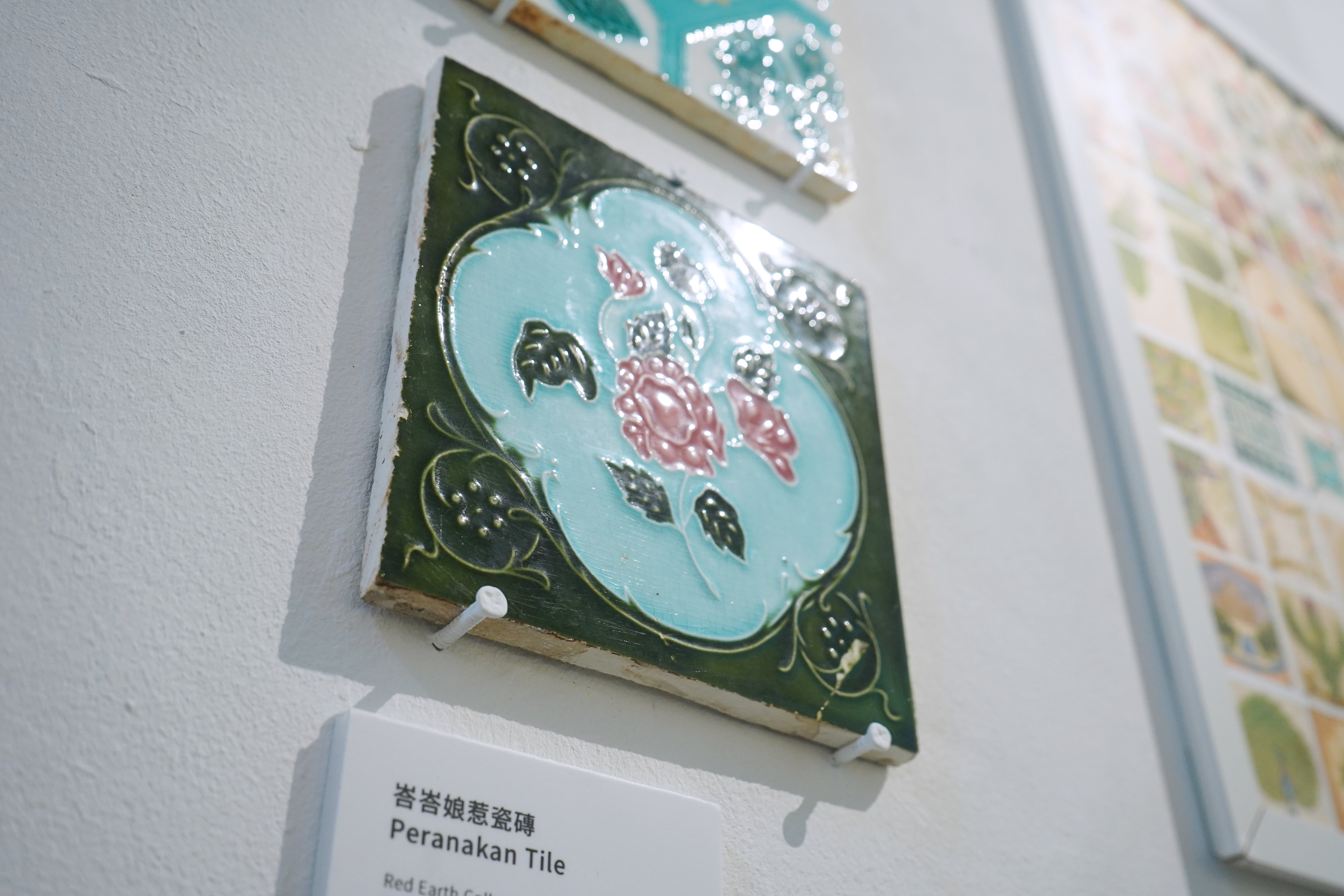
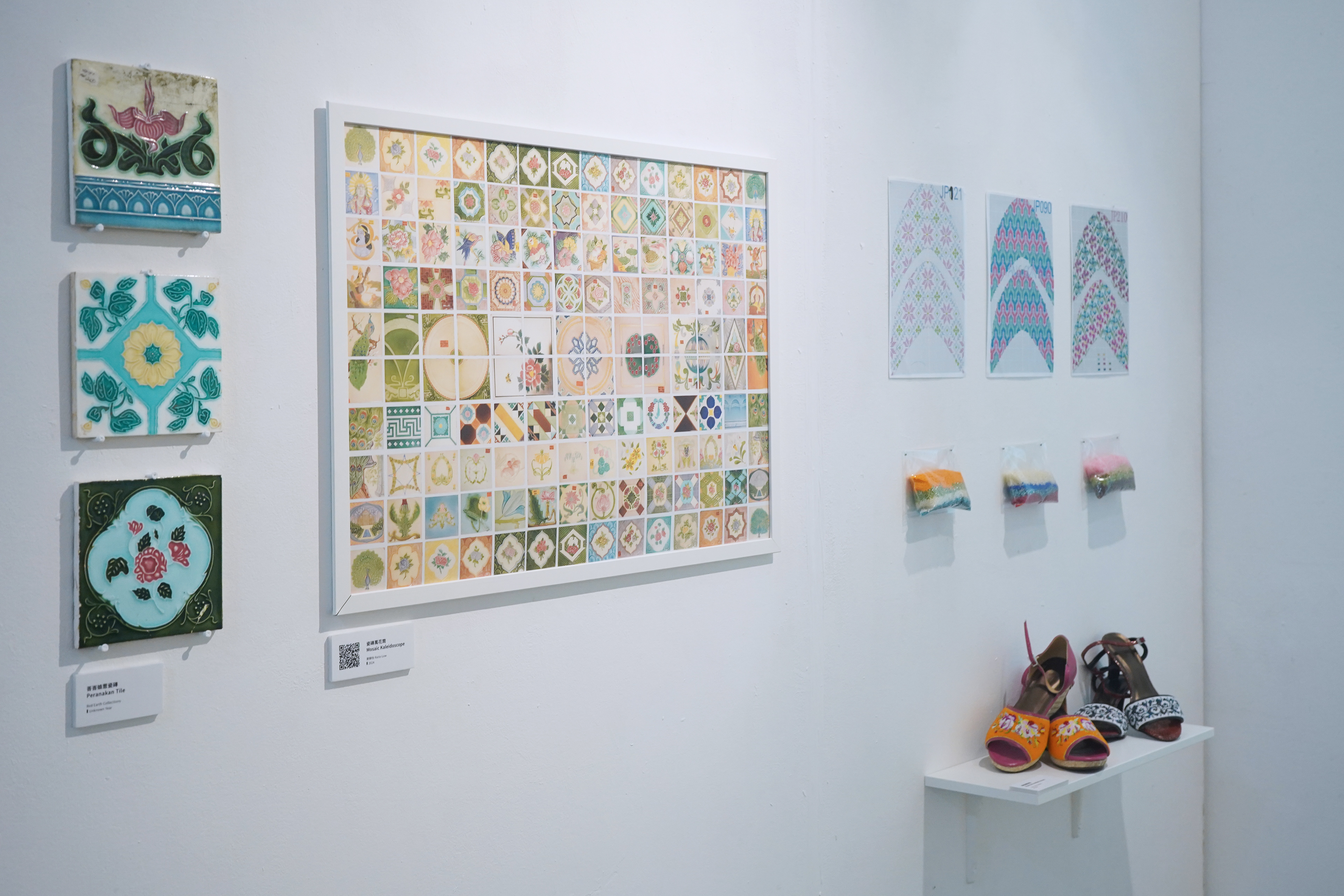
在馬來西亞我看到那些過去隨著洋流而來的國外產物,幻化成馬六甲峇峇娘惹的瓷磚、砂拉越原住民的玻璃珠子...已成為在地居民生命中不可或缺的元素,可能在融入他們的思考之後成為物質文化裡的嶄新印記,也可能被簡略地歸類為稀有寶藏,成為世代凝視、彰顯身份的傳世之寶。這些體驗化為最新作品《那些閃閃發亮的東西》的靈感,將世代、族群、地理、時間串起、灑落,在幾何圖樣之中表現內斂與力量。
在這趟旅程中,將帶著有別於過去離開時的觀點與生命經驗,
重新與家鄉這片,曾經棲生的土壤產生更深層的連結。
重新與家鄉這片,曾經棲生的土壤產生更深層的連結。
🕰️ 1/6/2024 - 14/6 1300 - 19:00
🏠 Lostgens': 8, Jalan Panggong, City Centre, 50150 Kuala Lumpur, Wilayah Persekutuan Kuala Lumpur
〈To Nowhere, Until I am Home〉Solo Exhibition By Stop-Motion Artist Raito Low Jing Yi
"I want to re-understand my feelings,
I want to explore whether my identity is really in the land I come from? "
I want to explore whether my identity is really in the land I come from? "
It has been ten years since I started to create in Taiwan, and I began to have many questions in my heart. This year I returned to my hometown to start a three-month residency program, from Malacca, Kuching to Kuala Lumpur. Next week I will share what I saw, heard, and my inner thoughts. Integrating past works in Taiwan. Become my first solo exhibition in Malaysia.
In my creations in Taiwan, flowers, plants and stones are the main media of expression. The diversity of identities is presented through the diversity of natural objects. Identity and connection to the land are fluid and continually evolving through perceptual experiences, unconstrained by rigid frameworks.
In Malaysia, I explore the enduring influence of foreign elements carried by ocean currents. Malacca Baba Nyonya ceramic textiles and Sarawak native beads... These elements have become integral to local life, embodying cultural heritage and collective identity.
In my latest work "Cha Bute Mening" (The Shiny Things)
Ornamentation serves as the creative muse, weaving together generations, ethnicities, and geographical realms, conveying the beauty of restraint and strength within geometric patterns.
Ornamentation serves as the creative muse, weaving together generations, ethnicities, and geographical realms, conveying the beauty of restraint and strength within geometric patterns.
During this journey, I bring new perspectives and life experiences.
I form a deeper connection with the soil of my hometown.
I form a deeper connection with the soil of my hometown.
浮生遠流 · 迴鄉:劉靜怡個展 — 文:林易萱
第一部
「我想我應該航行一會兒,看看世界上那些有水的部分。這是我消除憂鬱、調節情緒的方法。」———— 實瑪利 (Ishmael) 的自白,出自《白鯨記》赫爾曼·梅爾維爾(Herman Melville)
人類時常透過文學作品紀錄自身向遠方漂流的渴望。這種渴求可能來自於探索未知的好奇心,也可能是人性深處對於自由廣闊的嚮往,或只是出自於對沈重現實的妥協。大自然與人類之間千絲萬縷的複雜關係,承載著文明的重量,也是事物之間必須相互依存而賴以為生的表現。
而海洋是其中被人類討論最多的大自然景觀之一。它被視為土地之間的連結,更因為浩瀚且豐富的資源而備受重視,甚至是更進一步地影響了人類文明的進程。洋流作為海洋的一部分,宛如發電機般促進人與人之間的交流與流動,打開了貿易與海上絲路,豐富了邊界與邊界之間的接觸,促使麥哲倫得以揚帆而環遊世界,觸發了地理大發現等歷史事件。換句話說,洋流借助風的力量讓遠航得以成真,成為了交流的條件,以及文化傳播的路徑。
於是人類透過海洋,透過洋流前往外部與未知遠行、漂流。
第二部
「我就是我的身體」—— 莫里斯·梅洛龐蒂(Maurice Merleau-Ponty)
法國哲學家梅洛龐蒂主張,我們的身體是我們的存在,通過它我們經歷世界。所以人類個體因對外漂流而獲得與更多的世界、空間互動的機會,而身體對世界的知覺也因而產生變化。在漂流的過程中,身體在空間中移動,打開了原本的知覺極限。個體透過感官與周遭環境相互交流,超越了日常生活的局限,開始與更廣闊的世界共振。身體的知覺因為需要適應不斷變化的環境而變得更為敏銳。這種知覺的擴展不僅涉及視覺、聽覺、觸覺等感官,更包括對於時間、空間、氣氛等更為抽象層面的體驗。
同時,在漂流過程中,身體與各種場域、空間相遇,影響了本身對地方的感知和認同,甚至產生了情感聯繫。換句話說,身體與地方之間存在深刻的連結,而漂流使得這種連結更加豐富而複雜。所以在漂流過程中,個體可能逐漸建立起對不同地方的情感依附,進而重新定義自身在空間中的位置和存在價值。
第三部
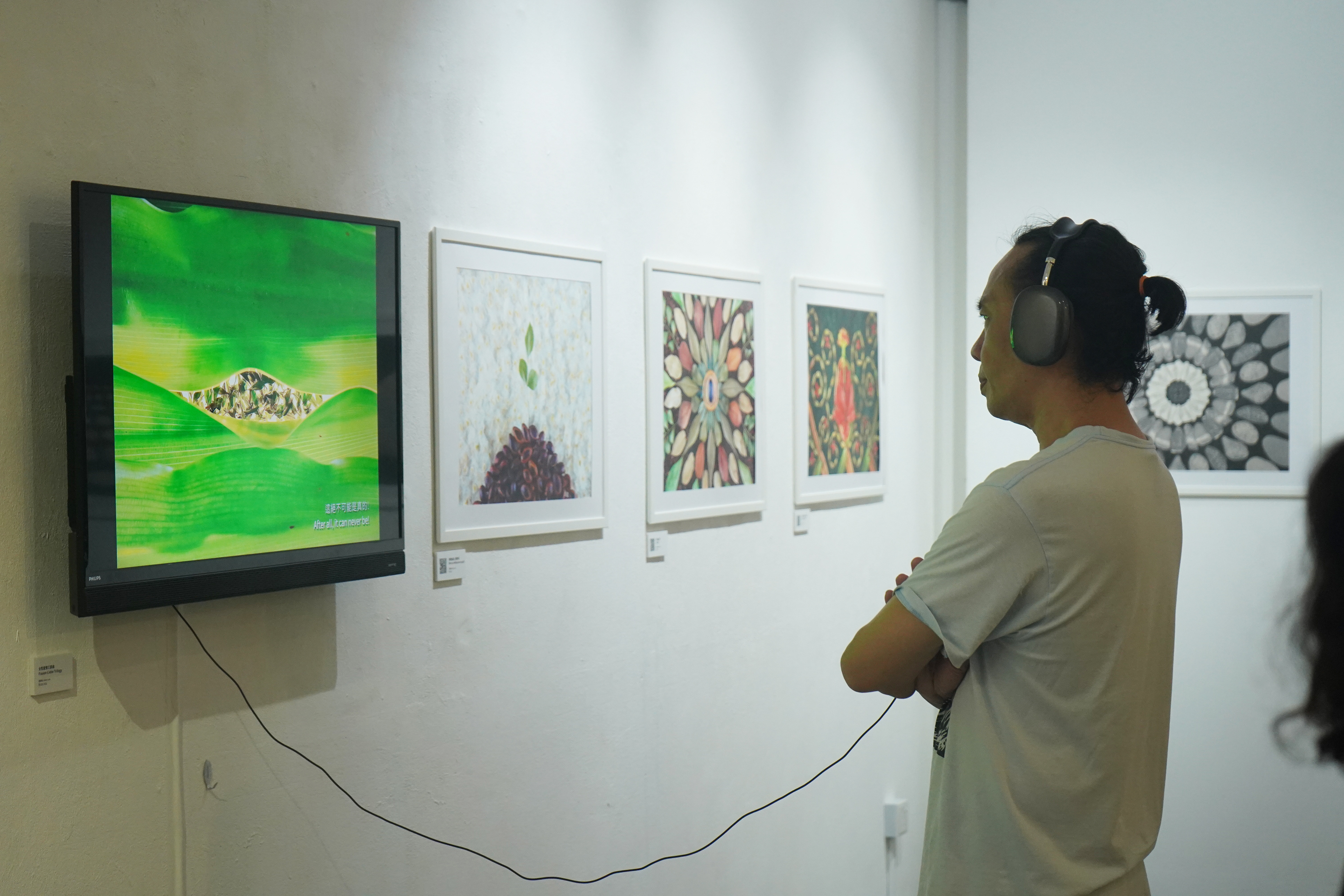
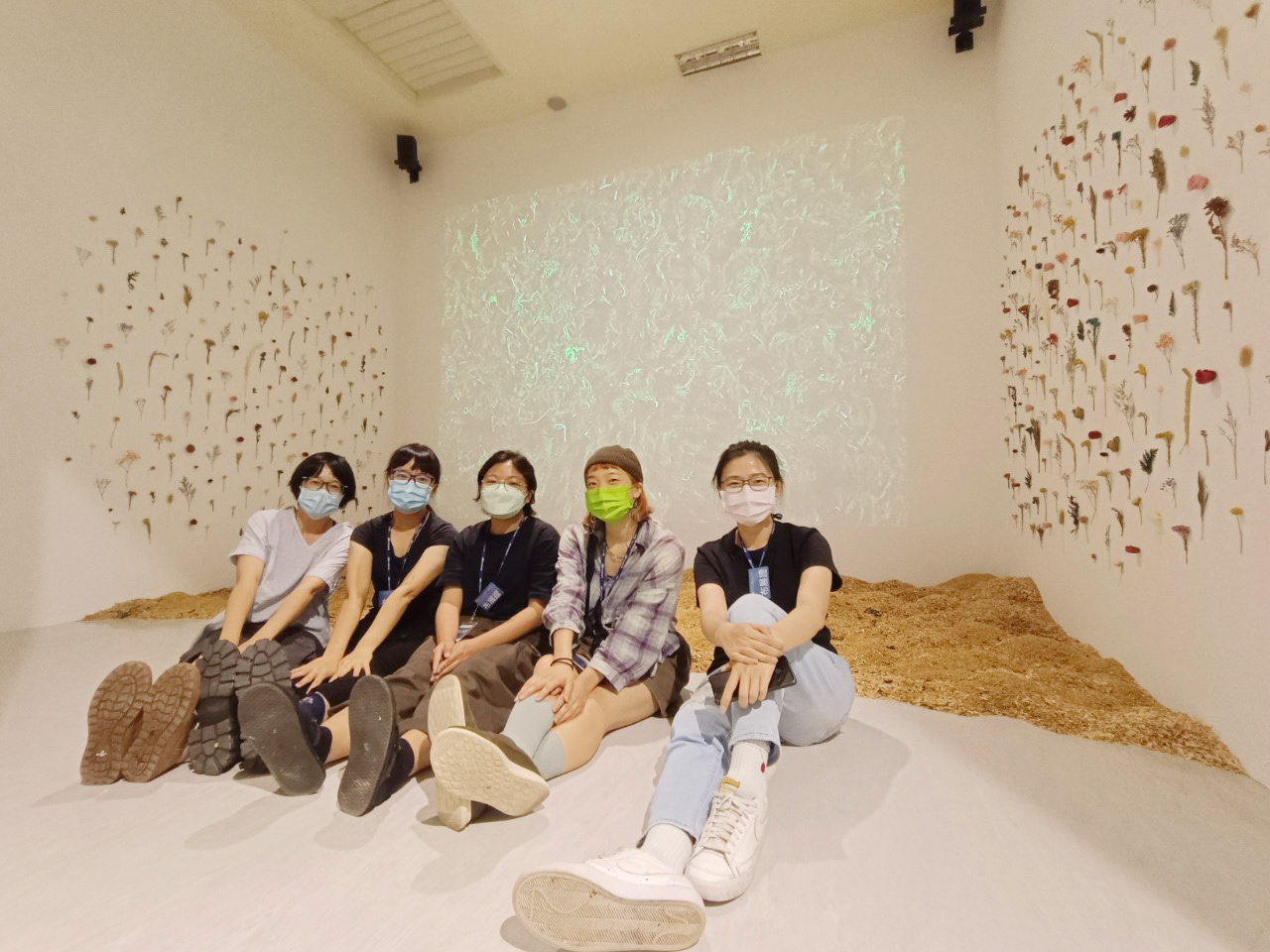
在靜怡的作品中,花朵、植物與石頭成為她的表達媒介。這些來自大自然的物體彷彿延伸了她的身體。透過這些物體/身體,她感知世界,也向世界表現自己。在定格動畫中,在時間的流動裡,靜怡透過身體的參與構建了多層次的敘事空間,強調了身體與空間的交織存在。觀者在畫面中感知身體所創造的敘事空間,與之共振並產生對身份與土壤之間連結的思考。
靜怡在她的作品裡表現了她的存在,更藉由自然物體的多元性呈現了身分的多樣性。身份的多樣性與身體對世界的感知解除了身份框架的束縛,而使她能夠恣意地在土壤中茁壯成長。對靜怡而言,身體與空間的互動不僅是感知的過程,更是存在於其中、不斷變化的生命體驗。靜怡在馬來西亞生長,爾後旅居台灣並發展她的藝術事業。對她來說,身份、認同、與土地的連結就是隨著知覺體驗不斷地變化而沒有框架。
第四部
自2014年以來,靜怡走進多重文化與地理環境,在它們之間尋找共通性。她在植物園、住家周圍、海邊、鄉鎮等地裡看見無限與延綿,在人文與工藝中遇見重合與發散。她將影像堆疊、排序、串連,而新與舊的圖騰在此之間不斷更替、蔓延、流動,絲毫沒有邊界與框架的限制,只留下相似之處。
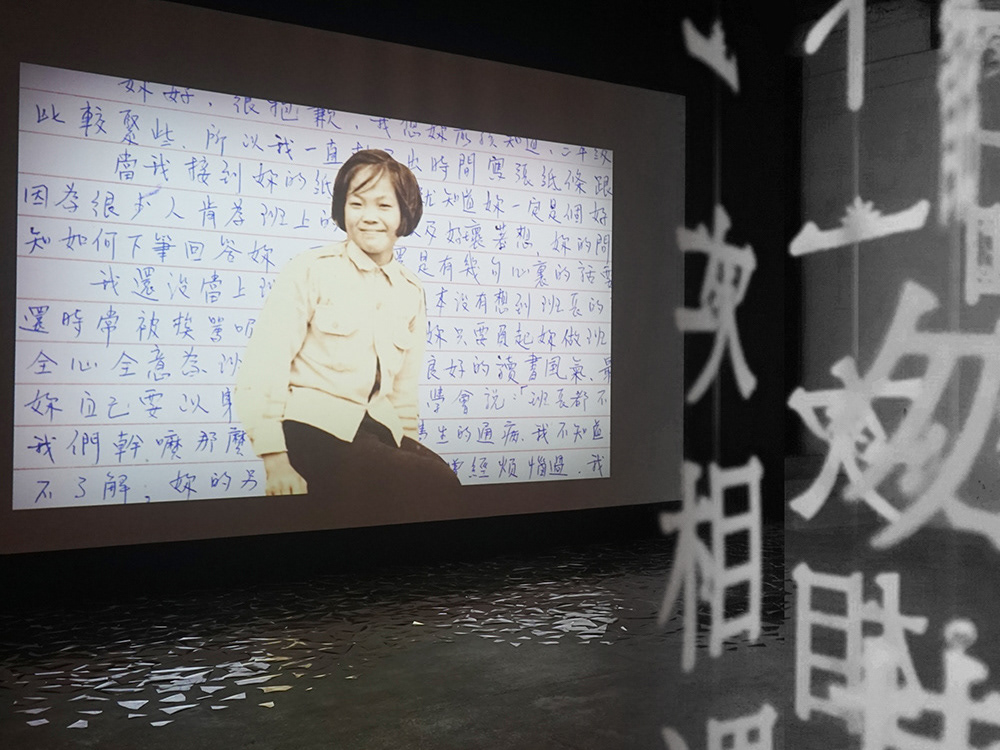
本次迴游家鄉,靜怡奔走於東西馬。她發現那些過去隨著洋流而來的國外產物已成為在地居民生命中不可或缺的元素,可能在融入他們的思考之後成為物質文化裡的嶄新印記,也可能被簡略地歸類為稀有寶藏,成為世代凝視、彰顯身份的傳世之寶。紋飾成為了最新作品《那些閃閃發亮的東西》的創作靈感,將世代、族群、地理、時間串起、灑落,在幾何圖樣之中表現內斂與力量。
終
本次展覽引用老莊《莊子.刻意》「其生若浮,其死若休。」的「浮」與「生」二字作為主題,展現了生命原來的自然狀態,並借助「浮」本身存在的不確定性、漂流與彷若無根的狀態,凸顯人類在打開了身體的界線之後,打破自我、身份等框架的懸浮狀態,以及再思考的過程。「遠流」二字則是寄寓人類對遠方的想像以及流浪、流動的狀態,亦是「源流」的諧音影射,與藝術家靜怡再次回到故鄉駐村,在擁有更多歷練之後回到生命的起點的雙關隱喻。「迴鄉」再次強調了靜怡迴游的過程。在這趟旅程中靜怡將帶著有別於過去離開時的觀點與生命經驗,重新與家鄉這片她曾經棲生的土壤產生更深層的連結,創造了全新的作品《那些閃閃發亮的東西》,在文化的縫隙與時間的厚度之中捕抓交織的工藝與色彩。
To Nowhere Until I am Home: Solo Exhibition by Raito Low Jing Yi — writer: Lim Yi Shun
Part 1
“ …I thought I would sail about a little and see the watery part of the world. It is a way I have of driving off the spleen and regulating the circulation.” This is a part of Ishmael's reflection excerpted from Herman Melville's novel “Moby-Dick”.
Humanity often documents its innate desire in literary works to travel far. This longing may stem from a curiosity about the unknown, a primal yearning for boundless freedom, or simply a response to the burdens of reality. The intricate relationship between nature and humanity, bearing the weight of civilization, reflects a mutual dependence essential for survival.
Among the natural wonders, the ocean holds a preeminent place in human discourse. It is seen not only as a connector between lands but also as a vital resource, influencing the trajectory of human civilization. Ocean currents, as integral parts of the ocean, serve as conduits for human interaction and trade, facilitating exploration and cultural exchange. In essence, ocean currents, driven by the wind, enable long voyages and serve as conduits for communication and cultural diffusion.
Thus, humanity ventures into the unknown through the ocean, propelled by ocean currents.
Part 2
“I am in my body, or rather I am my body”— Maurice Merleau-Ponty (2012 edt.)
French philosopher Merleau-Ponty posits that our bodies constitute our very existence and serve as conduits through which we experience the world. As individuals embark on external journeys, they encounter diverse environments, expanding their perceptual horizons and prompting shifts in bodily awareness. Through drifting, bodies traverse space, transcending conventional sensory boundaries and forging connections with a broader world. The body's perceptions become more acute as it adapts to changing circumstances. This heightened awareness involves not only the senses—such as vision, hearing, and touch—but also extends to more abstract experiences of time, space, and atmosphere.
Simultaneously, drifting exposes bodies to various landscapes and spaces, shaping their perception and emotional resonance with place. Thus, a profound connection emerges between bodies and locales, enriched and complexified through the act of drifting. Individuals may gradually form emotional attachments to different locales, thereby redefining their spatial identity and existential value.
Part 3
In Raito’s artistic expression, flowers, plants, and stones serve as extensions of her body, enabling her to perceive and engage with the world. Through stop-motion animation, Raito constructs intricate narrative spaces, emphasizing the intertwined existence of body and space. Viewers are invited to perceive and resonate with the narrative spaces created by the body, prompting reflections on the interplay between identity and environment.
Raito's works celebrate the diversity of identity, embodied through the multiplicity of natural objects. This diversity liberates identity from rigid frameworks, fostering organic growth within the nurturing soil of existence. For Raito, the interaction between body and space transcends mere perception, constituting a dynamic and ever-evolving life experience shaped by perceptual shifts. She grew up in Malaysia and later moved to Taiwan to pursue her artistic career. For her, identity and connection to the land are fluid and continually evolving through perceptual experiences, unconstrained by rigid frameworks.
Part 4
Since 2014, Raito has traversed diverse cultural and geographical landscapes, seeking commonalities amidst diversity. Her artistic journey encompasses botanical gardens, coastal regions, and urban settings, revealing convergences and divergences in human culture and craftsmanship. Through layered imagery, Raito juxtaposes old and new symbols, blurring boundaries and inviting contemplation on interconnectedness.
Returning to her homeland, Raito explores the enduring influence of foreign elements carried by ocean currents. These elements have become integral to local life, embodying cultural heritage and collective identity. In her latest work "Shiny Little Things" , Ornamentation serves as the creative muse, weaving together generations, ethnicities, and geographical realms, conveying the beauty of restraint and strength within geometric patterns.
Finale
This exhibition draws inspiration from Lao Zhuang's "Zhuangzi," notably the phrase "其生若浮,其死若休" (Life is to wander, death is to rest). The philosophy of "wandering" (浮) mirrors the inherent uncertainty and drifting nature of life, akin to a journey "To Nowhere."
The rootless state of “To Nowhere” (浮) underscores the human process of transcending the suspended state of self, identity, and other frameworks, prompting a rethinking after opening the boundaries of the body. The term "遠流" conveys humanity's imagination of distant places and the state of wandering and flowing, while also serving as a homophonic allusion to "源流" (Origins). "源流" is a double entendre, symbolizing artist Raito's return to her hometown for a residency, representing a return to her life's origins after gaining extensive experiences.
"迴鄉" (Until I am Home) underscores Raito's journey of coming full circle. During this journey, Raito brings new perspectives and life experiences, distinct from those she had when she first left. In this time, she forms a deeper connection with the soil of her hometown, where she once lived, and creates a new work, "Shiny Little Things." This piece captures the intricate interplay of craftsmanship and color within cultures and time.