Cut-out Animation 剪紙動畫:紙上的平面操偶劇場
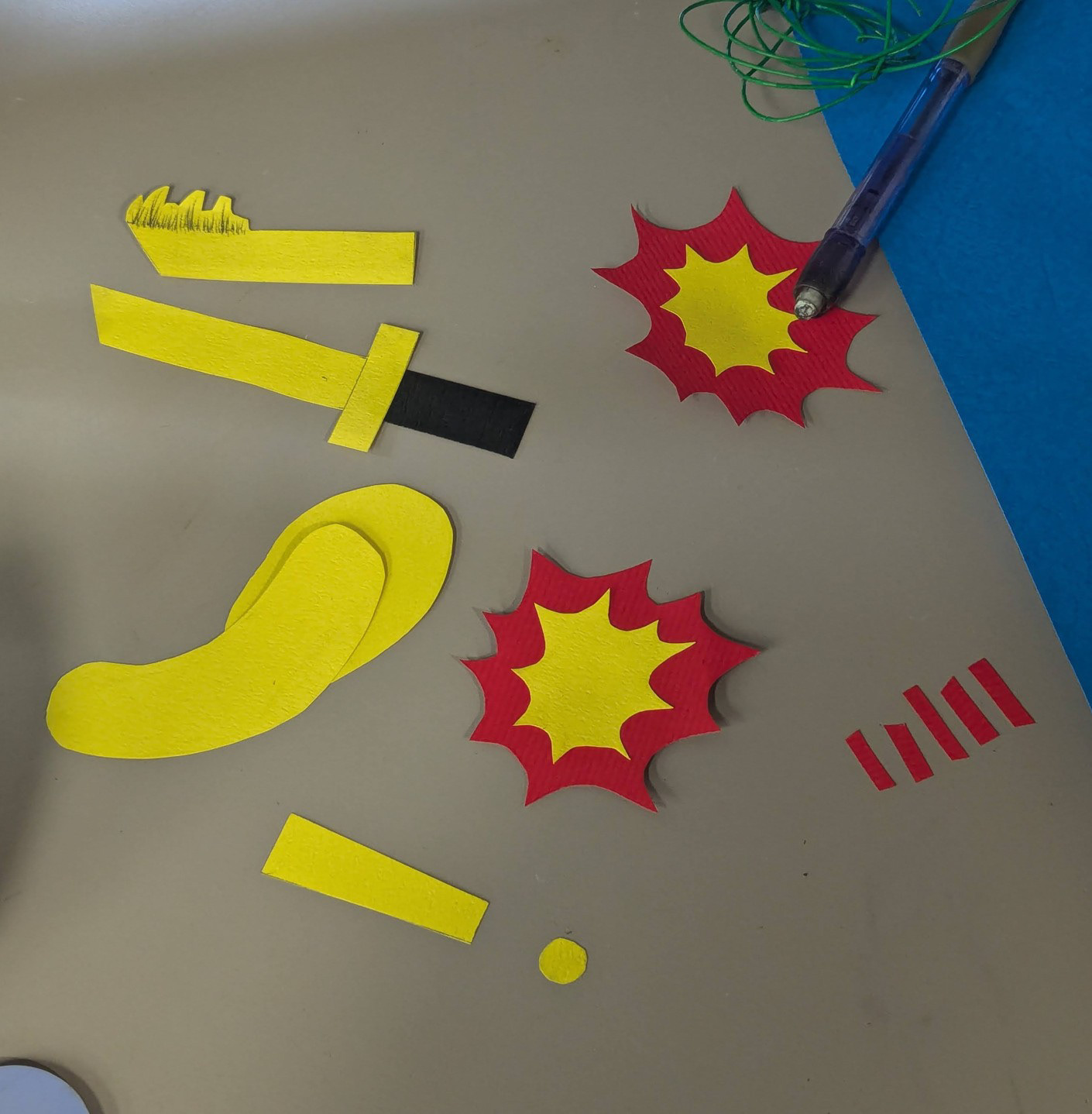
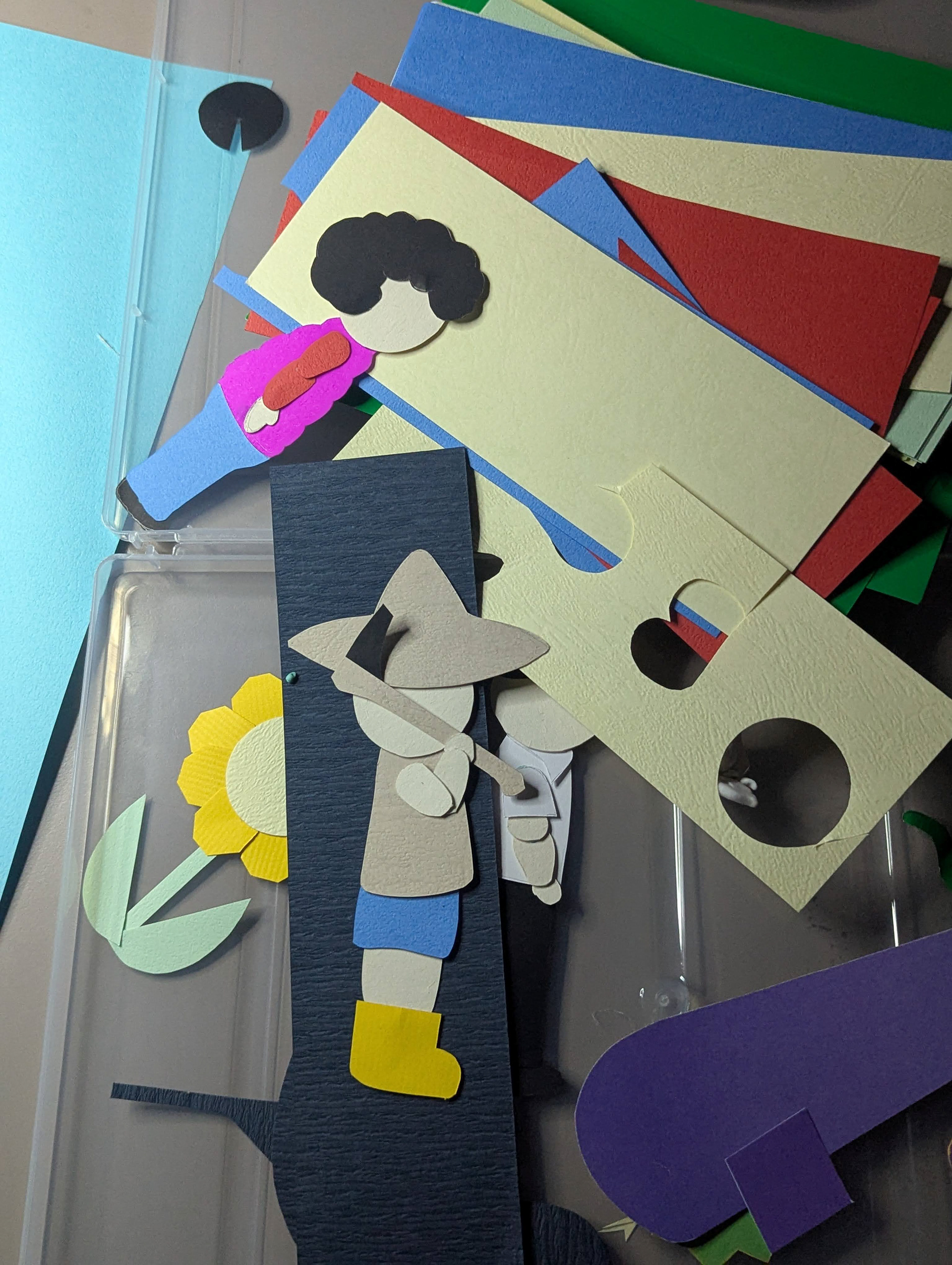
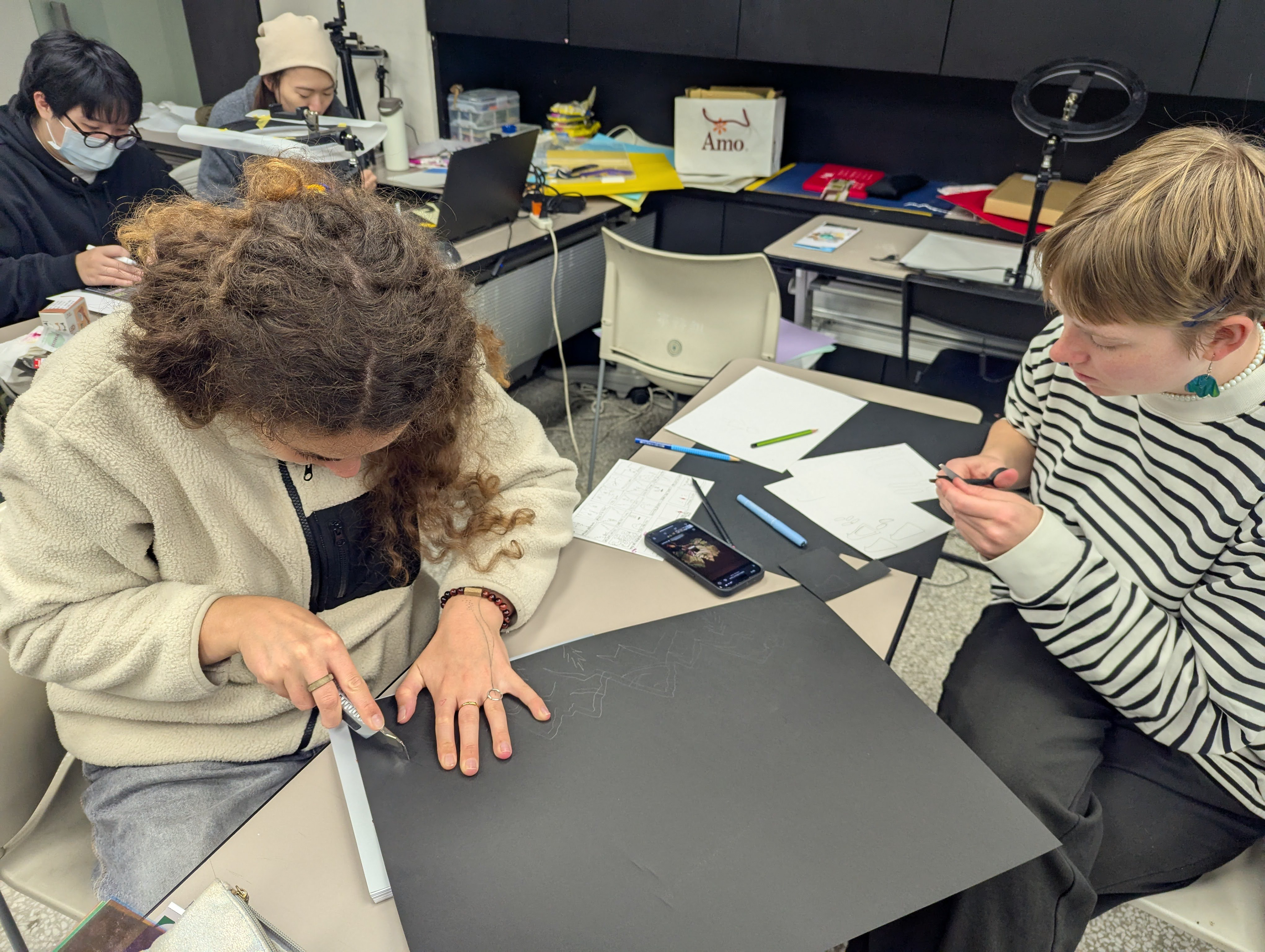
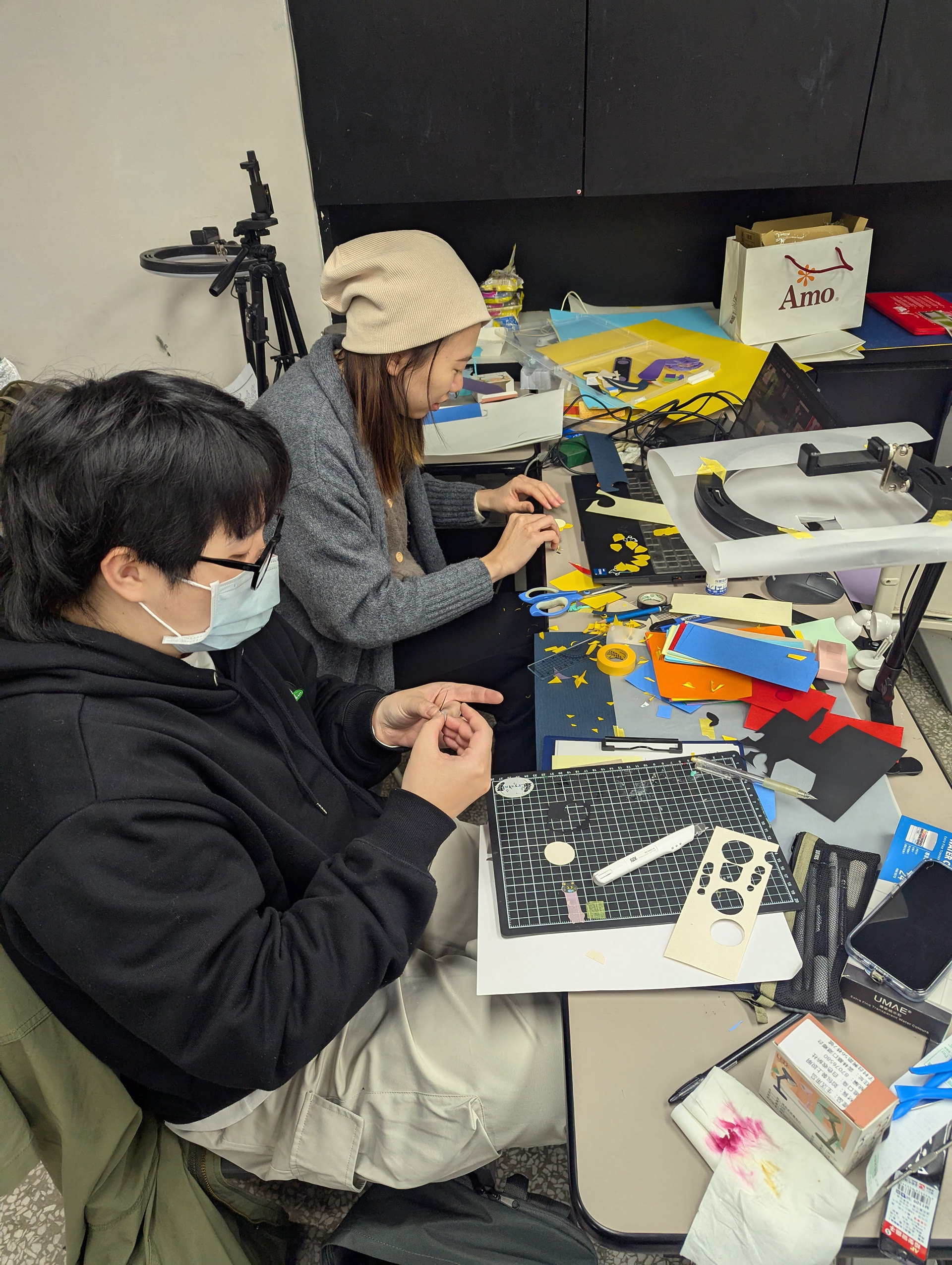
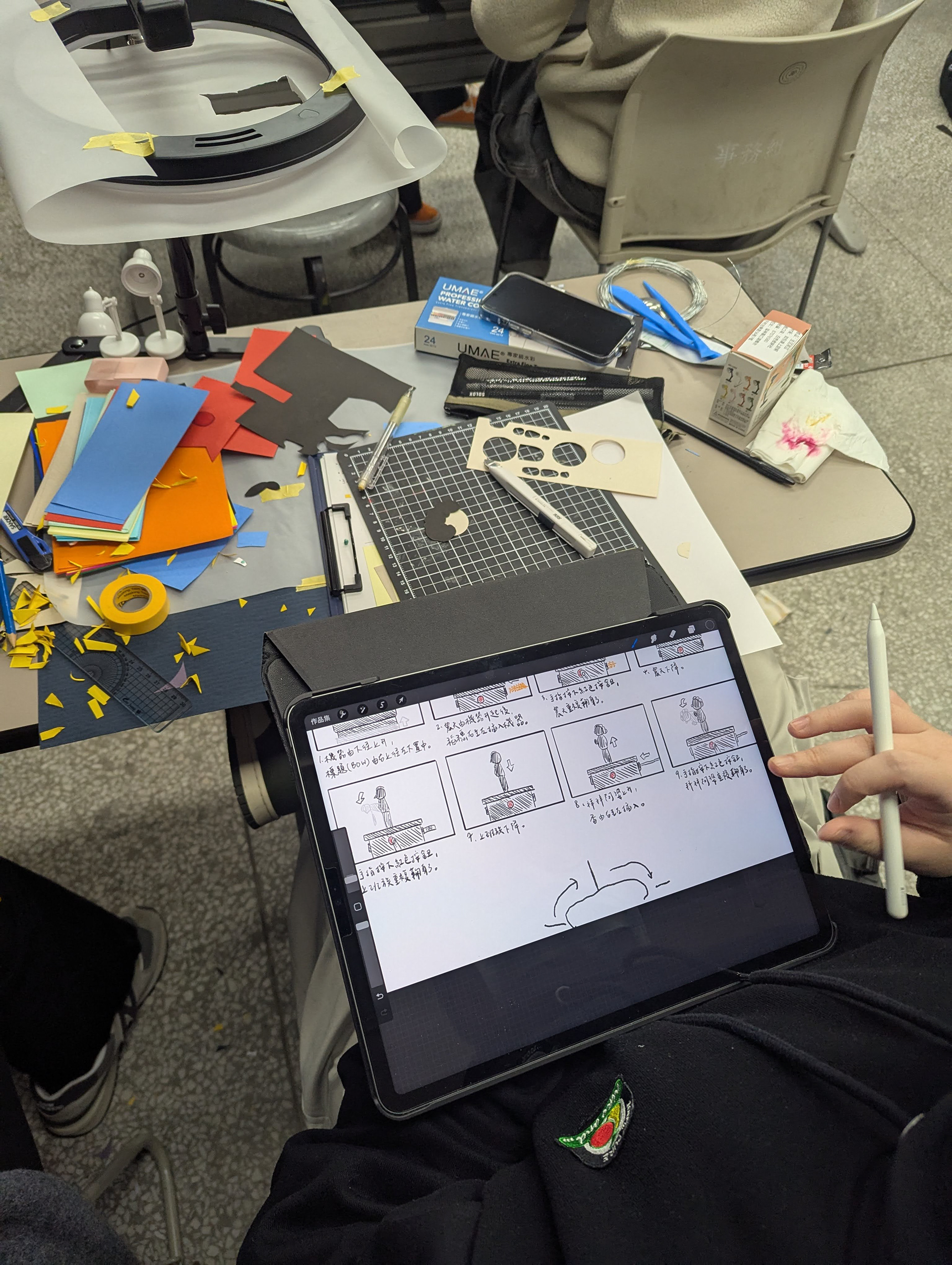
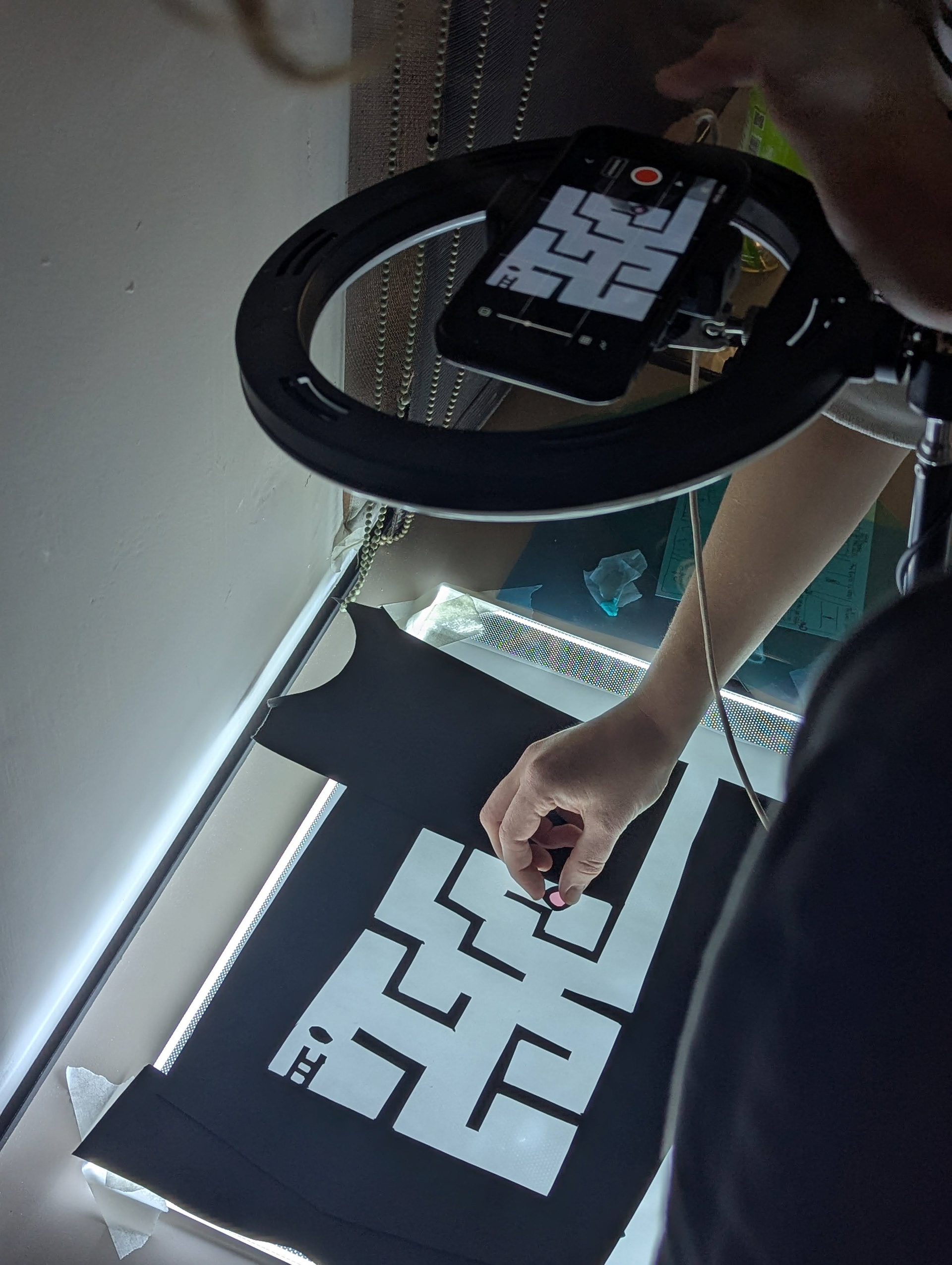
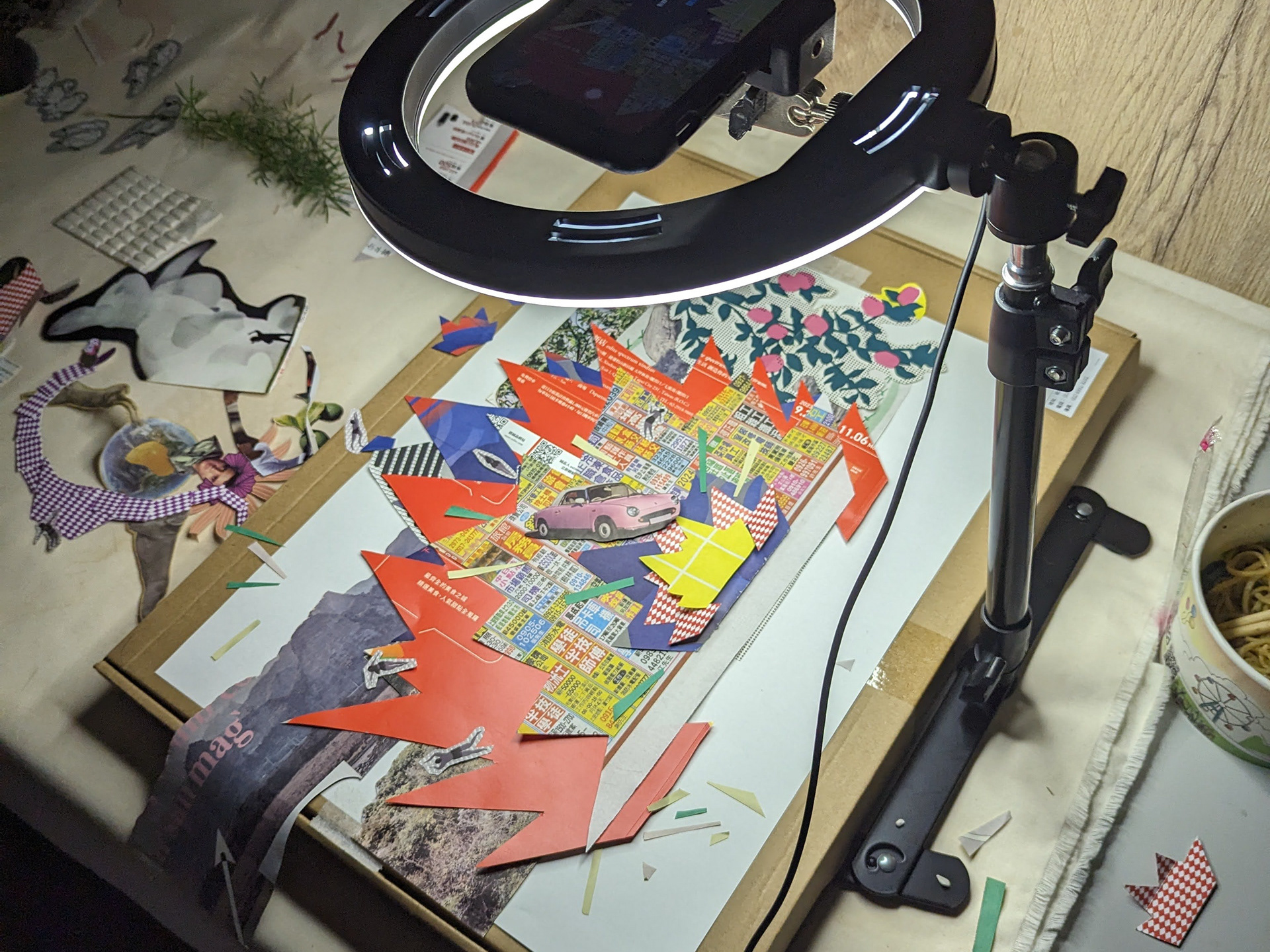
什麼是剪紙動畫? 以紙張、卡紙為主要媒材的停格技法。與「拼貼動畫」將各種不相干的異材質混搭不同,剪紙動畫更專注於「平面偶」的製作。創作者會將角色拆解成頭部、軀幹與四肢,透過隱藏的「關節」連接,在俯拍台上進行精細的操偶表演。
二維空間的操偶術 (2D Puppetry) 因為角色被限制在扁平的平面上,每一個關節的轉動、重心的轉移都需要經過精密的計算。這種帶有一點物理限制、稍微不那麼流暢的「切分感」,正是剪紙動畫獨有且迷人的肢體語言。
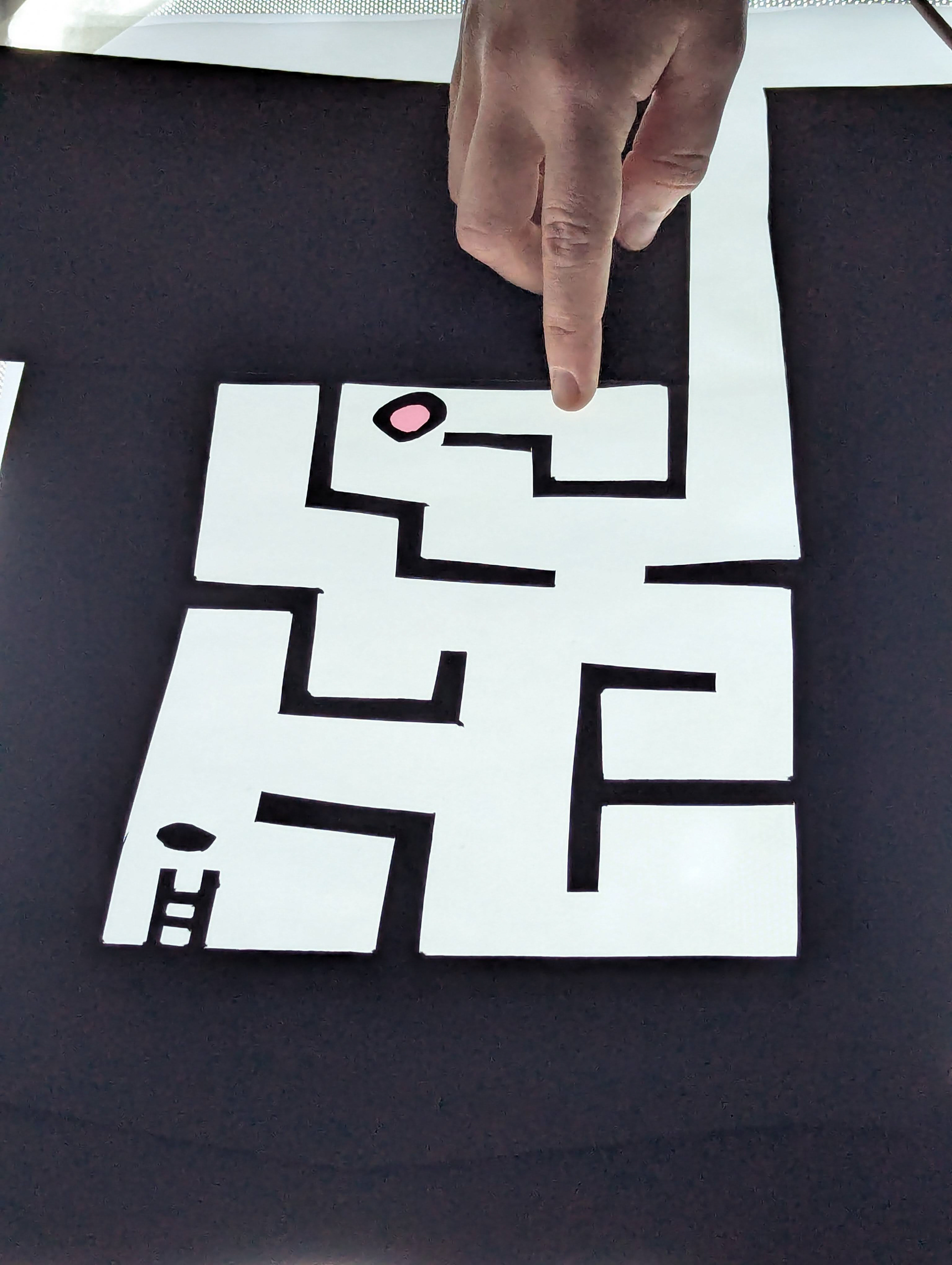
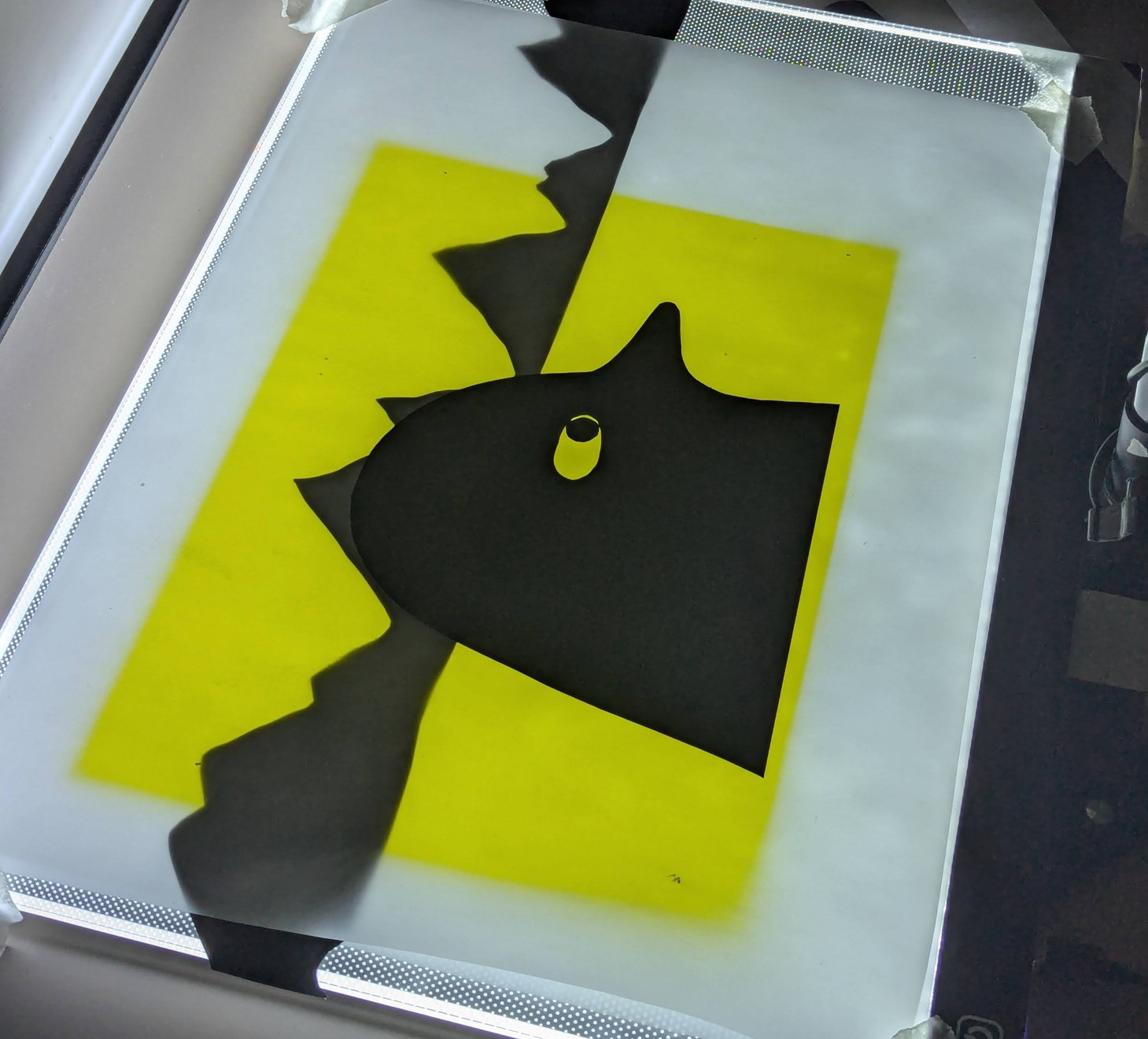
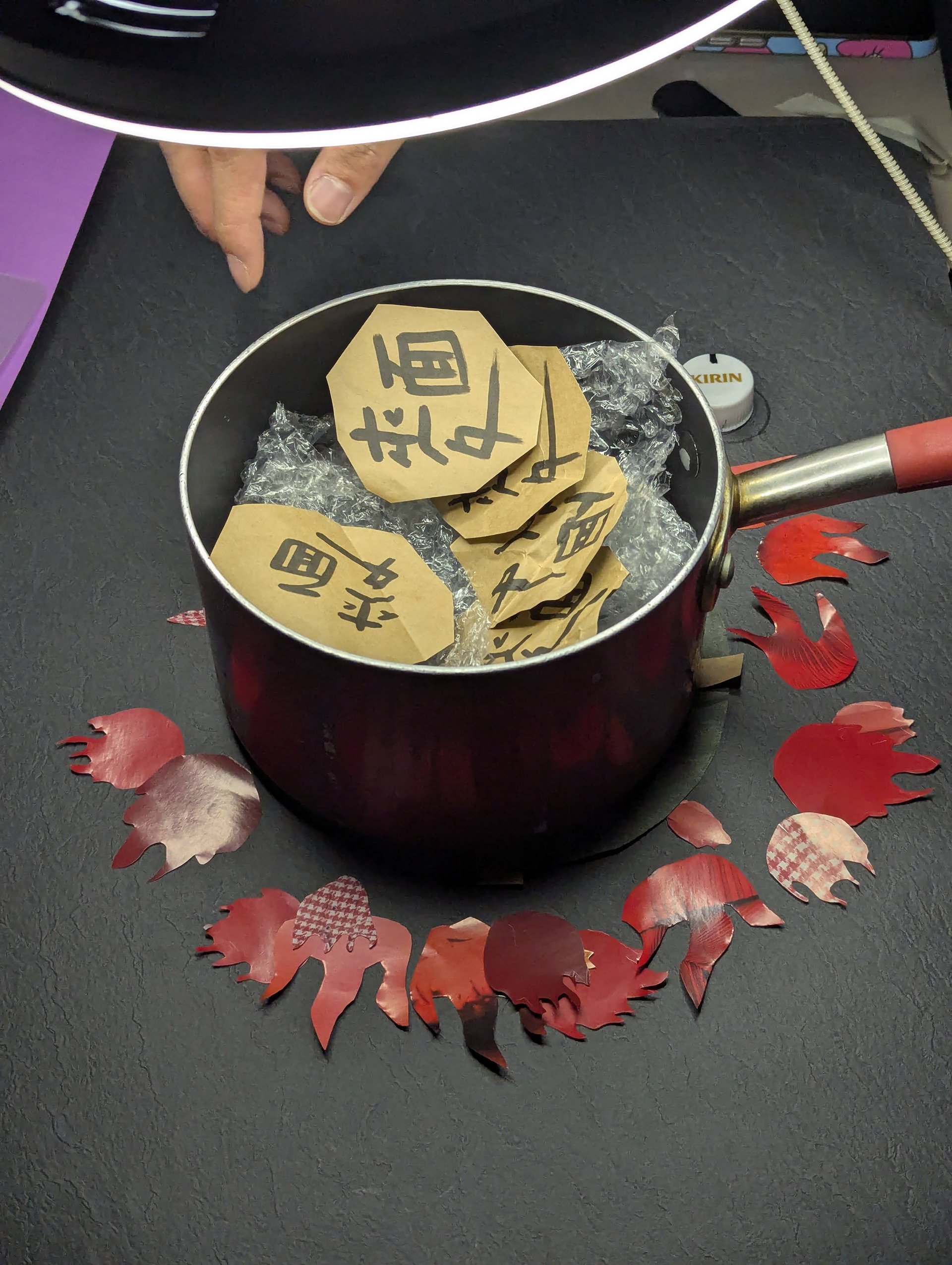
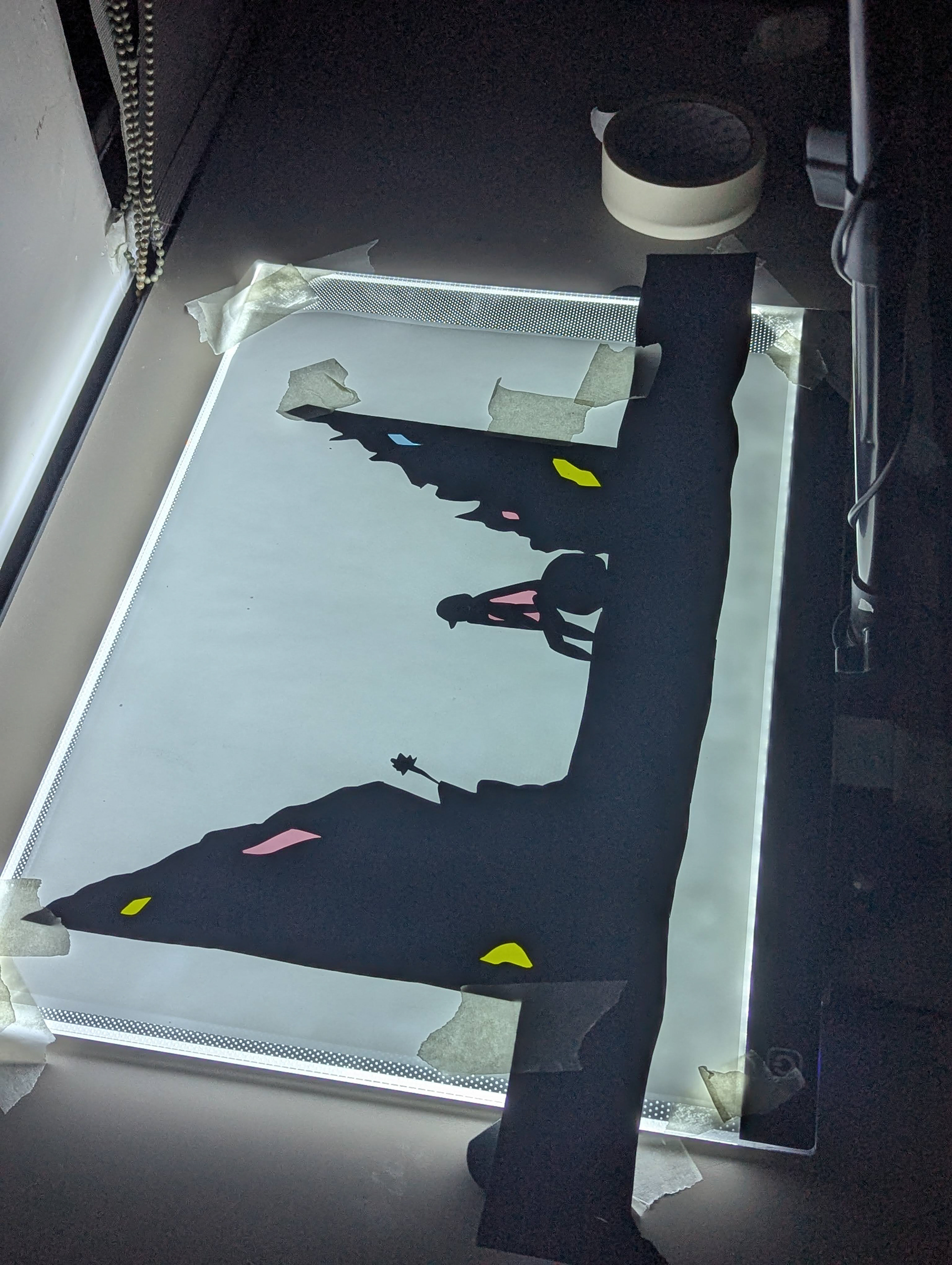
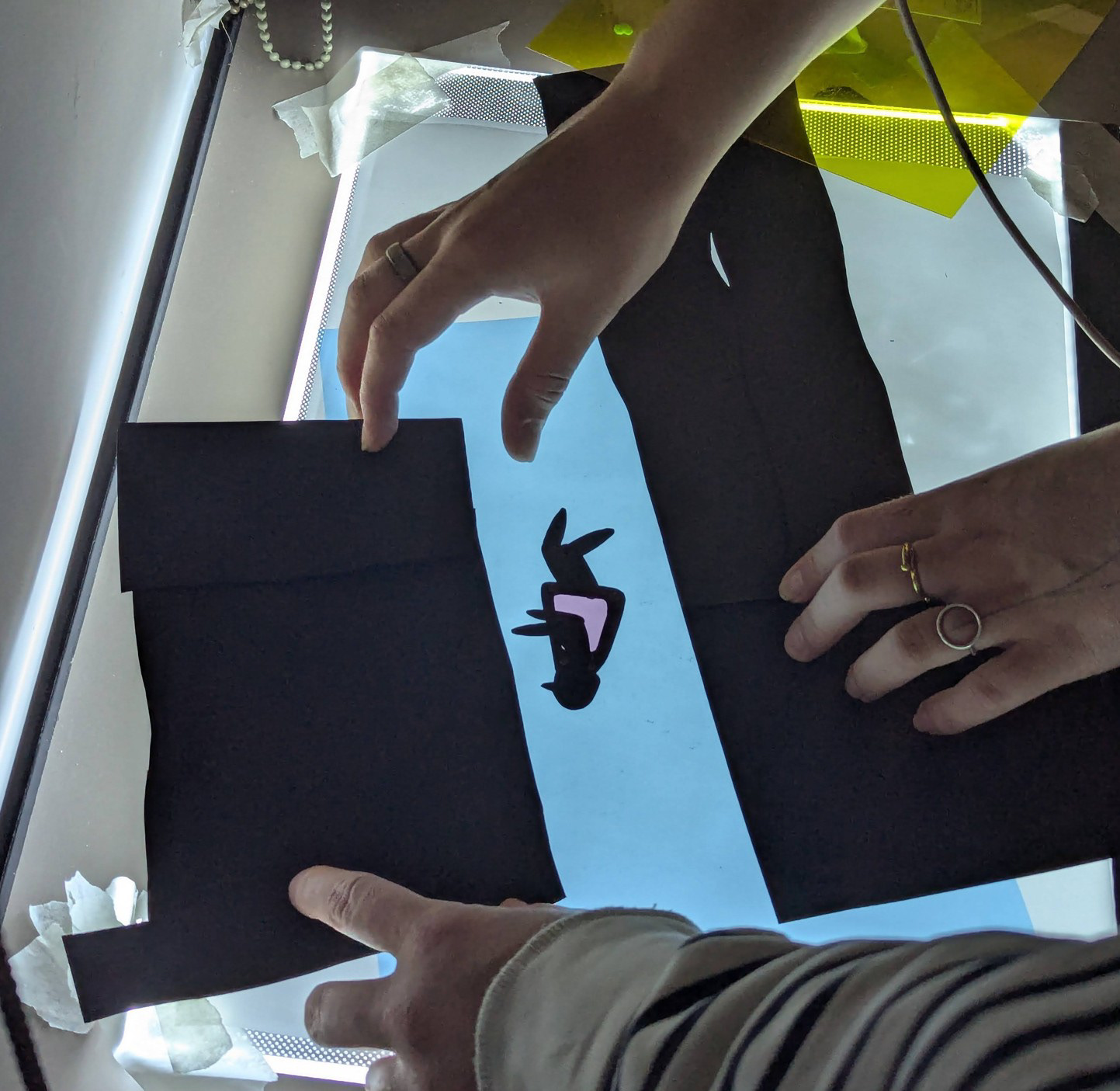
純粹的邊緣與光影美學 剪紙動畫極度考驗紙張的純粹性。無論是強調紙張厚度與剪刀裁切邊緣的「側光拍攝」,或是向傳統皮影戲致敬的「背光剪影 (Silhouette)」,都是利用最極簡的媒材,創造出最具戲劇張力的光影層次。
Cut-out Animation: The Theater of Flat Puppetry
What is Cut-out Animation? A stop-motion technique primarily utilizing paper and cardboard. Distinct from "Collage Animation," which thrives on mixing eclectic, ready-made materials, Cut-out focuses on the craftsmanship of the "flat puppet." Creators dissect a character into separate parts (head, torso, limbs) connected by hidden joints, performing meticulous puppetry under a downward-facing camera.
The Art of 2D Puppetry Confined to a flat surface, every joint rotation and weight shift requires precise calculation. The slight physical limitations and the resulting charming, staccato rhythm of movement are the unique signatures of cut-out animation's body language.
The Pure Aesthetics of Edges and Shadows This medium deeply explores the purity of paper. Whether using side-lighting to highlight the paper's thickness and the tactile edges cut by scissors, or backlighting to create dramatic, shadow-puppet-like silhouettes, it uses minimalist materials to build highly theatrical layers of light and shadow.